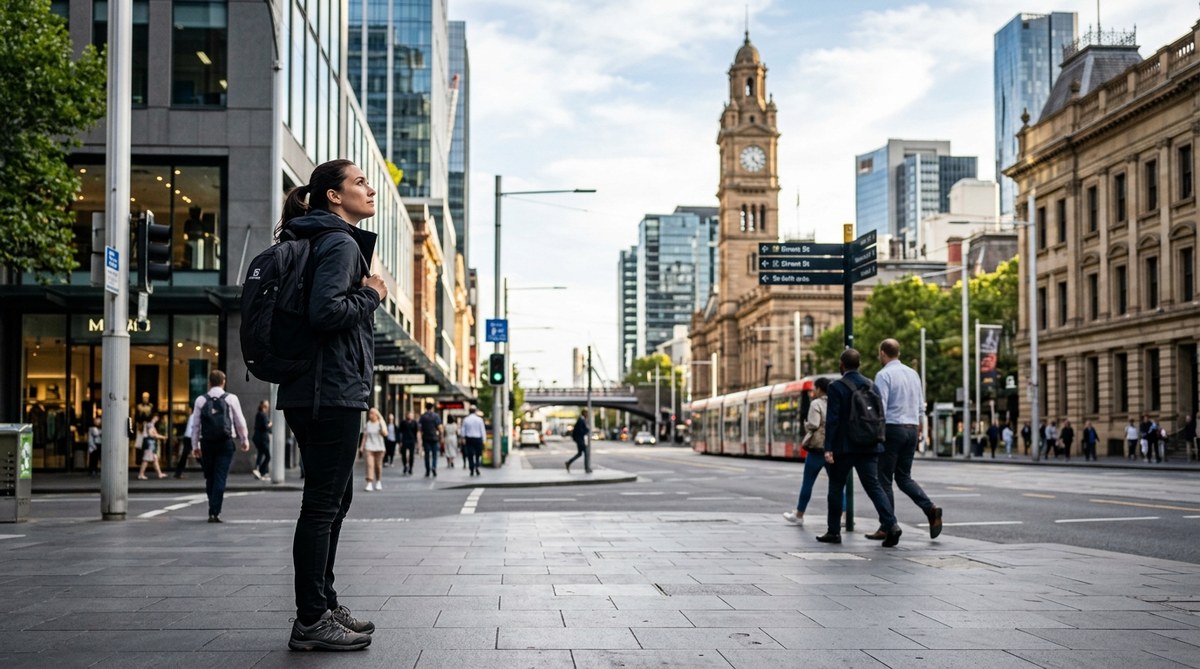
Navigating city streets can sometimes feel like solving a puzzle. Even seasoned urban dwellers and travelers often find themselves reaching for their phones or maps when trying to find a new café, park, or subway station. Developing your natural wayfinding skills in urban environments empowers you to explore confidently, trust your instincts, and enjoy your surroundings more fully. These skills are not just useful; they can make your city adventures more engaging and less stressful.
Improving your natural wayfinding skills involves observing your environment, understanding local cues, and practicing active navigation. These techniques help you become more intuitive and less dependent on technology, making urban exploration more enjoyable and confident.
How to Cultivate Your Natural Wayfinding Abilities
Building strong navigation skills in urban settings is a mix of observation, memory, and practice. Instead of relying solely on digital maps or GPS, you learn to read your environment and use tangible cues to orient yourself. Here are some practical steps to develop these skills:
1. Observe Your Surroundings Carefully
Pay attention to the details around you. Notice the type and arrangement of buildings, street signs, landmarks, and natural features like trees or water bodies. Take mental notes of unique storefronts, street art, or distinctive lamp posts. These become your reference points when you revisit an area or need to find your way.
2. Use Landmarks and Environmental Cues
Landmarks are your best friends in urban wayfinding. They can be tall buildings, statues, specific shops, or natural elements like a distinctive tree. Recognizing these helps you create a mental map. Additionally, environmental cues such as the direction of sunlight, the flow of foot traffic, or the soundscape can guide you naturally.
3. Practice Active Navigation
Instead of passively following a map, actively engage with your environment. Choose a destination and plan your route based on visual cues. As you walk, note your progress by checking how your surroundings change. This ongoing awareness reinforces your mental map and increases confidence over time.
4. Develop a Sense of Direction
Building a sense of cardinal directions helps you orient yourself naturally. Use the sun’s position — it rises in the east and sets in the west — or observe shadows during the day. Pay attention to street layouts; for example, some cities have grid patterns that can help you estimate directions.
5. Remember Key Intersections and Pathways
Identify and memorize a few main intersections or pathways that lead to your destination. Repeating routes strengthens your spatial awareness. Over time, crossing these points becomes automatic, reducing reliance on external cues.
Techniques for Enhancing Urban Navigation
Applying specific techniques can significantly improve your ability to find your way. Here’s a comparison of effective methods and common pitfalls:
| Technique | What it is | Common mistake |
|---|---|---|
| Landmark anchoring | Using visible features to orient | Relying on a single landmark that might be obscured |
| Environmental reading | Noticing sounds, smells, and natural cues | Ignoring subtle environmental changes that indicate your direction |
| Path tracking | Keeping mental notes of your route | Forgetting to check surroundings periodically |
| Spatial visualization | Imagining your route before walking | Guessing directions without verifying actual environment |
“The key to natural wayfinding is training yourself to see the city as a living map, full of clues waiting to be read.” — urban explorer and navigation coach
Common mistakes to avoid
- Relying only on digital devices without engaging your senses.
- Ignoring environmental cues like the sun or street patterns.
- Forgetting to revisit your mental map after passing landmarks.
- Becoming fixated on a single route without flexibility.
Practical Techniques to Improve Your Urban Sense of Direction
- Observe and remember: Focus on a few key landmarks or environmental cues during your walk.
- Engage all senses: Listen to sounds, notice smells, and feel textures to build a richer environmental record.
- Use natural cues: Keep track of the sun’s position or wind direction as additional orientation tools.
- Build mental maps: Visualize the route before and during your walk, updating as you go.
- Practice regularly: Take different routes intentionally to challenge your spatial awareness.
When You Might Miss the Mark and How To Correct It
Even seasoned navigators make mistakes. Recognizing and correcting them quickly is part of developing your skills. For example, if you realize you’re heading in the wrong direction, stop and reassess your surroundings. Look for familiar landmarks or environmental cues to realign your mental map. Over time, your ability to self-correct will improve, making navigation more seamless.
| Mistake | How to fix it |
|---|---|
| Relying solely on a map and ignoring surroundings | Take a moment to observe landmarks and natural cues |
| Walking without awareness of changes | Pause periodically and check your environment |
| Assuming a route is correct without verification | Cross-reference landmarks and environmental cues |
Incorporating Practice Into Daily Life
You can enhance your natural wayfinding skills through small, consistent efforts:
- Choose routes that differ from your usual path.
- Walk in unfamiliar neighborhoods intentionally.
- Pay attention to environmental details rather than just following signs or GPS.
- Challenge yourself to find destinations without digital help.
- Reflect on your route afterward to reinforce your mental map.
Why Developing These Skills Benefits You
Learning to navigate confidently without maps or devices transforms your relationship with cities. It makes exploring more engaging, reduces reliance on technology, and sharpens your observational skills. Over time, you’ll notice your environment more vividly and feel more connected to your surroundings. Whether you are a local discovering hidden corners or a visitor immersing in a new city, natural wayfinding enhances your experience.
Bringing It All Together in Urban Exploration
Developing natural wayfinding skills in urban environments is about tuning into your environment and trusting your instincts. It requires patience and practice but offers a richer, more intuitive way to explore. Start small by observing your surroundings and gradually incorporate environmental cues into your navigation. Soon, finding your way will feel less like a task and more like an adventure.
Remember, cities are full of clues waiting for you to notice. By sharpening your senses and practicing actively, you’ll navigate with confidence and enjoy every step of your urban journeys.
Happy wandering!