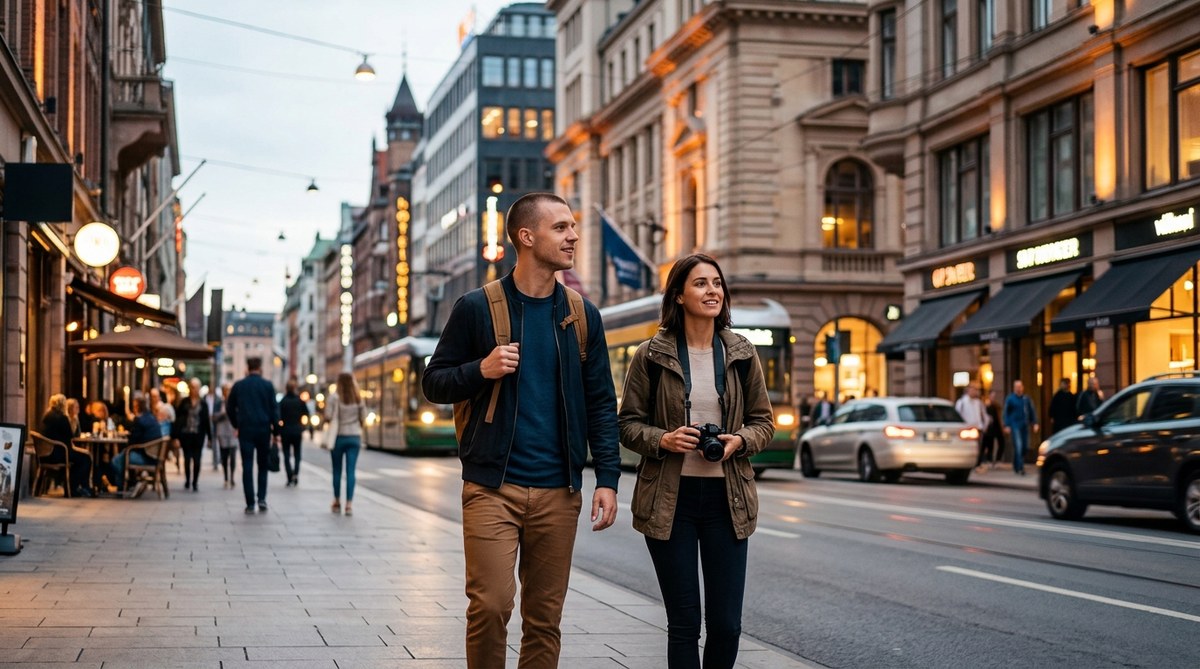
Navigating a busy city without a map might seem daunting at first. With a little practice and some key skills, you can confidently find your way around unfamiliar urban areas. These techniques focus on natural cues, observation skills, and understanding the environment to keep you oriented. Whether you’re exploring a new city, lost in a crowd, or just want to rely less on technology, mastering urban navigation without a map can boost your confidence and independence.
Urban navigation without a map relies on understanding your surroundings, recognizing landmarks, and using natural cues like the sun, shadows, and street patterns. Developing these skills makes you more adaptable and confident in any city environment.
Understanding the fundamentals of urban navigation without a map
Before jumping into specific techniques, it’s important to understand the key principles that underpin navigation without traditional tools. Urban environments are full of visual cues, patterns, and natural indicators that can guide you. Recognizing these helps you build mental maps and stay oriented.
You’ll learn to use landmarks, street layouts, the sun’s position, shadows, and even the flow of people and vehicles to determine your location and direction. Developing a keen eye for these signs transforms navigating from a stressful challenge into an engaging puzzle.
Practical steps to navigate city streets without a map
Here are five practical steps to develop your skills and confidently find your way in urban settings:
-
Identify and memorize key landmarks
Pick prominent buildings, statues, parks, or unique architectural features. These act as anchors in your mental map. When moving, constantly note which landmarks you see and how they relate to your route. -
Observe street patterns and natural flow
Most cities have a grid or a distinctive street pattern. Notice how streets align with each other and identify main roads, alleys, or waterways that can serve as orientation points. -
Use the sun and shadows for orientation
The sun rises in the east and sets in the west. During the day, observe the direction of shadows. For example, if shadows are pointing west in the morning, you know the sun is in the east. This helps you determine cardinal directions even without a compass. -
Pay attention to environmental cues
Look for flow of traffic, pedestrian movement, and sounds. Busy streets tend to be main routes. The direction of flowing traffic or the position of train stations and bus stops can serve as helpful clues. -
Practice mental mapping and triangulation
Combine all these cues to build a mental picture of your surroundings. When you see two landmarks and know their relative positions, you can triangulate your location. This skill improves with experience and observation.
Common pitfalls and how to avoid them
| Technique | Mistake | How to avoid it |
|---|---|---|
| Landmark recognition | Confusing similar-looking buildings | Focus on unique features like signage, shapes, or decorations |
| Sun-based navigation | Assuming the sun’s position is static | Remember that the sun moves, so check shadows regularly |
| Street pattern memorization | Relying on memory alone | Use visual cues actively, and double-check landmarks frequently |
| Environmental cues | Overlooking subtle signs | Stay alert and avoid tunnel vision; listen to sounds and watch movement patterns |
“Natural navigation requires patience and awareness. The more you observe your environment, the more instinctive your sense of direction becomes.” — urban explorer and navigation expert, Lisa Carter
Techniques for navigating confidently in different urban scenarios
- During the day: Use shadows, street patterns, and landmarks to maintain orientation. Notice the sun’s position and relate it to the street grid.
- At night: Rely on illuminated landmarks, streetlights, and the flow of traffic. Recognize patterns like the glow of commercial districts or specific building lighting.
- In crowded areas: Focus on unique signs, storefronts, or street art. Keep track of your relative position through visual cues rather than trying to remember every turn.
- When lost: Find a prominent landmark, then use natural cues to reorient. Take a moment to observe your surroundings and identify familiar features or patterns.
Comparing techniques and avoiding common errors
| Technique | What it helps with | Common mistake | How to improve |
|---|---|---|---|
| Landmark triangulation | Precise location fixing | Relying on a single landmark | Cross-reference multiple landmarks |
| Sun and shadow use | Cardinal directions | Misjudging shadow length | Regularly check shadows at different times |
| Street pattern recognition | Route planning | Forgetting recent changes | Stay alert for construction or street closures |
| Environmental cues | Overall awareness | Ignoring subtle signs | Practice active observation during walks |
Final thoughts on mastering urban navigation without a map
Developing the ability to navigate without relying on traditional tools enriches your experience and builds confidence. It sharpens your observation skills and makes exploring more engaging. Start by practicing these techniques in familiar places, then gradually try them in new environments. Remember, the key is awareness and patience. Over time, you’ll find yourself moving through cities more intuitively and with a stronger sense of direction.
Urban exploration becomes less about following a route and more about experiencing your surroundings. Embrace these skills, and you’ll find that navigating in any city feels less like a challenge and more like an adventure.
Keep your senses sharp and your mind curious
The next time you’re in an unfamiliar city, try applying these techniques. Notice how your surroundings tell a story about your location. With practice, natural cues will become second nature. Stay curious, stay observant, and enjoy every step of your urban adventures.