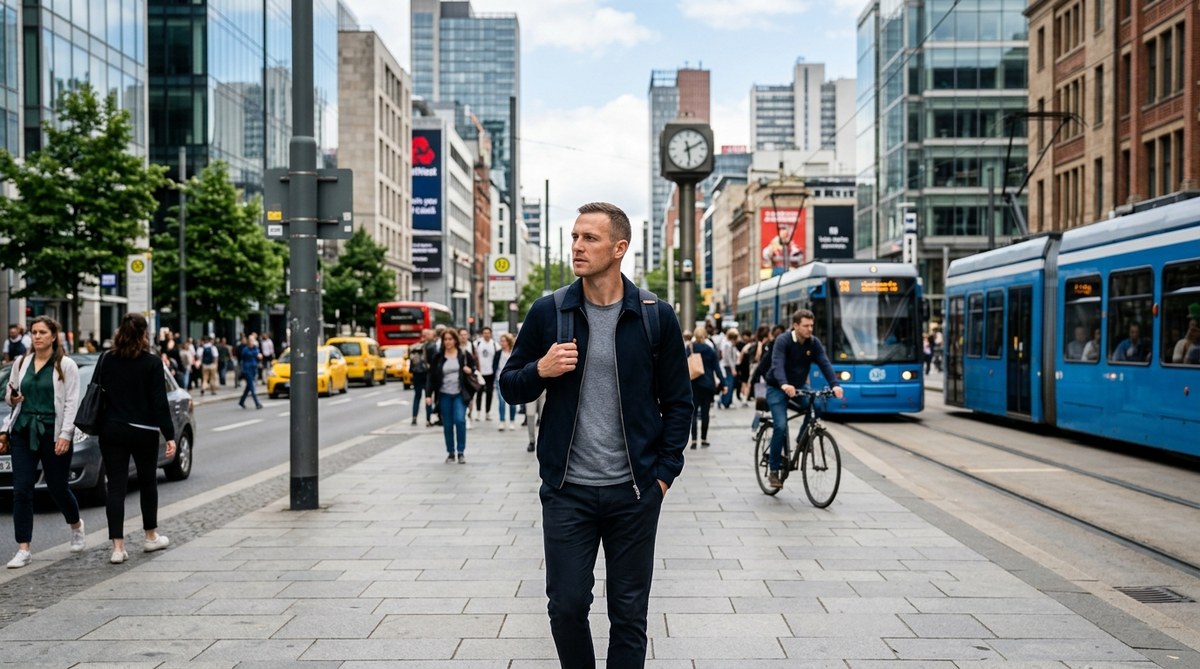
Navigating a city without a map or GPS might seem daunting at first. Yet, with the right skills and mindset, you can orient yourself confidently and find your way through urban environments. Whether you are an outdoor enthusiast, hiker, survivalist, or urban explorer, mastering these techniques enhances your independence and safety. Developing a strong sense of spatial awareness and understanding key navigation principles can turn any city into a navigable landscape, even when technology fails.
Urban navigation without maps centers on honing your natural senses, understanding environmental cues, and practicing specific techniques. Building these skills allows you to navigate confidently, adapt to unforeseen circumstances, and enjoy urban exploration with independence and safety.
Understanding the Foundations of urban navigation without maps
Navigating without a traditional map involves more than just instinct. It requires awareness of your surroundings, understanding how to interpret environmental cues, and applying specific techniques. In cities, visual landmarks, environmental features, and your sense of direction become your primary tools.
Key skills include developing a strong mental map of your environment, recognizing landmarks, and understanding how to use natural cues to determine your position and direction. Building these skills takes practice but can become second nature with time.
Essential skills for urban navigation without maps
1. Developing environmental awareness
The first step in navigating without maps is tuning into your environment. Pay attention to unique landmarks like statues, buildings, parks, or distinctive store signs. Notice street patterns, the flow of foot traffic, and natural features such as rivers, hills, or open plazas.
2. Using environmental cues and landmarks
Landmarks serve as anchor points. They help you confirm your location and plan your route. For example, if you see a clock tower on your right, you can remember that as a reference point. Recognizing recurring features makes it easier to orient yourself.
3. Cultivating a sense of direction
Developing a reliable sense of direction is crucial. Practice identifying cardinal directions—north, south, east, west—by observing the sun’s position or using the shadows it casts. Many urban explorers become proficient at estimating direction based on environmental cues, even without a compass.
4. Recognizing and interpreting environmental clues
Environmental clues include the flow of traffic, the direction of shadows, and the layout of streets. For example, busy streets often lead toward commercial districts, while quieter alleys may lead to residential areas. Understanding these patterns can guide your navigation.
5. Using body-based navigation techniques
Pay attention to your body’s cues. How do your footsteps feel on different surfaces? Which way do you naturally turn when walking? Over time, these small cues can help reinforce your mental map.
6. Building a mental map of the area
A mental map is your internal representation of the city layout. To develop one, regularly observe and remember the sequence of landmarks, street orientations, and environmental features. Practice mentally retracing your steps and noting how different areas connect.
7. Practicing orientation and spatial skills
Regular practice enhances your ability to orient yourself. Try navigating a new neighborhood without a map, relying solely on environmental cues. Over time, your confidence and accuracy will improve.
Practical techniques to master urban navigation without maps
1. Use natural navigation cues
Observe the sun’s position at different times of day to determine directions. Shadows tend to point north in the northern hemisphere during the afternoon. Also, note the growth pattern of trees or wind direction to gather clues.
2. Identify and memorize key landmarks
Pick out a few prominent landmarks early in your exploration and remember their locations relative to your starting point. This helps you verify your position and plan your route.
3. Pay attention to street patterns and flow
Cities often have predictable street layouts. Grid patterns tend to run north-south and east-west, while irregular layouts may follow natural features. Recognizing these patterns helps you navigate more intuitively.
4. Use environmental sounds and smells
Sounds like traffic noise or the hum of a subway can indicate proximity to transit hubs. Distinct smells can also mark specific districts, such as food markets or industrial areas.
5. Practice retracing your steps
Regularly test yourself by walking to unfamiliar areas and then returning without assistance. This reinforces your internal map and boosts confidence.
6. Engage in regular observation and reflection
After each exploration, reflect on what landmarks you used, how you determined your direction, and what cues helped most. This habit deepens your understanding and improves future navigation.
Common mistakes to avoid when navigating without maps
| Mistake | Explanation | How to avoid it |
|---|---|---|
| Relying solely on memory | Memory can fade or be faulty | Always verify with environmental cues |
| Ignoring environmental cues | Missing landmarks or environmental signs | Stay attentive to surroundings at all times |
| Overconfidence | Underestimating complexity | Take your time and reassess often |
| Neglecting to plan routes | Going in without a plan | Identify landmarks and routes beforehand when possible |
| Losing situational awareness | Focusing only on the destination | Keep a broad view of your environment |
“Trust your senses and observations. Your environment provides all the clues you need to find your way, even without a map.” — Urban survival expert
Applying your skills in real-world scenarios
Practicing urban navigation without maps is more than a theoretical exercise. It becomes invaluable in emergencies when technology fails, or in unfamiliar cities where paper maps are unavailable. By integrating these techniques into your routine, you develop resilience and independence.
Start small by navigating a familiar neighborhood without relying on your phone or a map. As you gain confidence, challenge yourself in more complex environments. Remember that consistency and observation are your best tools.
How to stay prepared for urban exploration
- Practice regularly with different environments.
- Keep environmental cues in mind and reinforce your mental map.
- Stay patient and attentive; navigation is as much about awareness as it is about technique.
- Combine these skills with basic safety practices, like informing someone of your plans or carrying a basic emergency kit.
Cultivating confidence in your navigation abilities
Over time, your ability to find your way without maps will become second nature. This skill not only enhances your outdoor adventures but also boosts your confidence in urban settings. It transforms the city from a maze into a navigable space that you understand and control.
Remember, the key lies in attentiveness, observation, and practice. Each walk becomes an opportunity to sharpen your senses and internalize the layout of your environment.
A final word on mastering urban navigation without maps
Navigating cities without relying on technology or traditional maps unlocks a new level of independence. It encourages you to connect deeply with your surroundings and develop intuitive skills that serve in any environment. Embrace the process, keep practicing, and soon you will find yourself confidently exploring any urban landscape with ease.