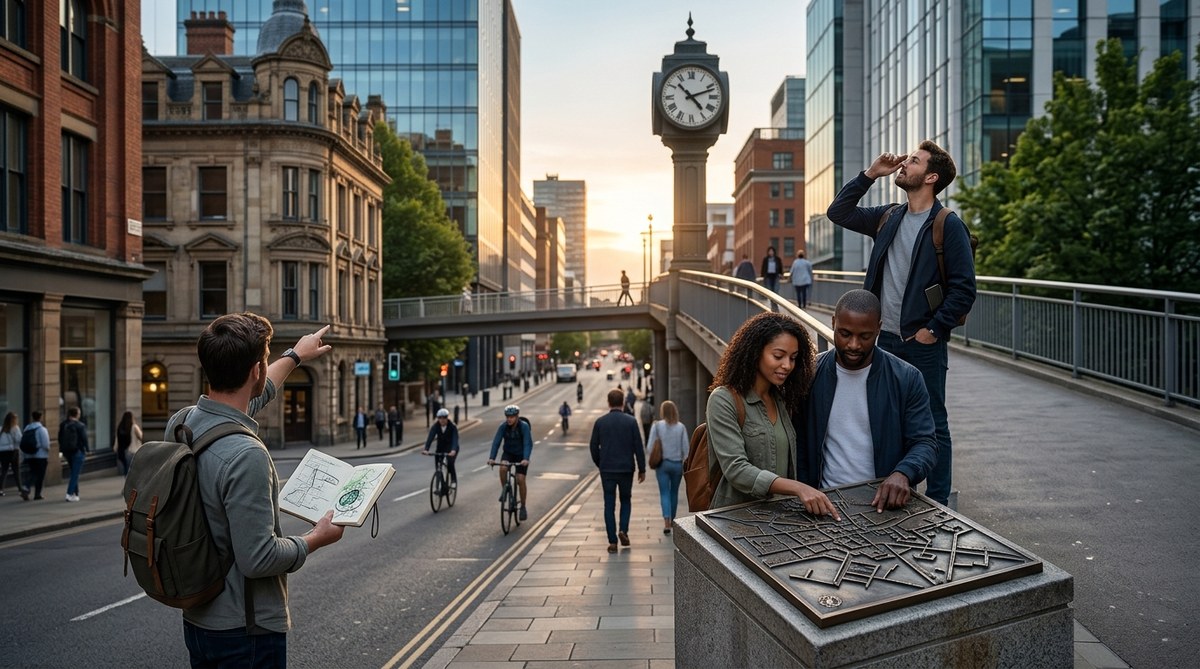
Navigating city streets without the aid of digital maps or GPS can feel daunting, especially as urban environments become more complex. Yet, relying solely on technology makes us vulnerable when systems go down unexpectedly. Preparing for these moments ensures you can stay oriented, safe, and confident even when devices fail. Urban areas are full of familiar landmarks, natural cues, and traditional navigation methods that remain reliable. Mastering these strategies can help city officials, wayfinding designers, and urban planners develop resilient systems that serve everyone, no matter the circumstances.
Urban wayfinding when technology fails depends on understanding natural cues, using traditional tools like maps and compasses, and fostering awareness of the environment. Preparation and education are crucial for resilient navigation in cities.
Recognizing the importance of traditional navigation methods in cities
While digital navigation tools have transformed urban exploration, they are not infallible. Outages, system errors, or device failures can leave city explorers stranded without guidance. For urban planners and wayfinding designers, embedding reliable, non-digital strategies into infrastructure ensures that residents and visitors can still find their way. Building awareness of natural cues, landmarks, and traditional tools creates a safety net that complements digital systems. This approach enhances overall urban resilience and accessibility.
Landmarks and environmental cues as reliable navigation aids
Landmarks are perhaps the most visible and memorable features in an urban landscape. Tall buildings, statues, parks, and distinctive storefronts serve as mental anchors for orientation. When technology fails, these visual cues become invaluable. For example:
- Recognize prominent structures like city halls or historic monuments.
- Use distinctive signage or murals as reference points.
- Observe street patterns and natural features such as rivers or hills.
Staying aware of your surroundings and noting these cues can help you reorient yourself quickly. Encouraging city residents and visitors to familiarize themselves with key landmarks can foster confidence in navigating without digital aid.
Practical steps for urban wayfinding when tech fails
To prepare for unpredictable outages, follow this structured approach:
- Identify key landmarks and natural features
- Make note of prominent buildings, parks, bridges, or statues.
-
Understand the general layout of the city and major streets.
-
Use traditional tools like maps and compasses
- Carry a physical map of the area and know how to read it.
-
Use a compass app or a physical compass for orientation.
-
Develop environmental awareness and observational skills
- Observe the sun’s position to estimate directions.
- Watch for wind patterns or natural features that indicate your location or direction.
Implementing these steps can make city navigation more reliable, especially during emergencies or outages. For example, a simple knowledge of how the sun moves across the sky can help you determine east and west, guiding you toward your destination.
Techniques to enhance resilience in urban navigation
The following table clarifies effective techniques versus common mistakes:
| Techniques | Mistakes |
|---|---|
| Familiarize yourself with landmarks beforehand | Relying solely on digital apps during outages |
| Carry and study a physical map | Ignoring environmental cues or natural signs |
| Use a compass to determine direction | Walking aimlessly without awareness of surroundings |
| Observe street patterns and natural features | Ignoring the environment and relying only on devices |
| Practice sun and star navigation techniques | Overlooking the importance of environmental awareness |
Expert advice on resilient urban navigation
“Understanding your environment and knowing how to interpret natural cues turn out to be some of the most dependable skills in urban navigation. These methods serve as a backup when digital tools fail, ensuring safety and independence.” — urban navigation specialist
Building community awareness and education
Public education plays a critical role in fostering resilience. City officials can run workshops or distribute simple guides on traditional navigation methods. Promoting awareness about landmarks and environmental cues can empower residents and visitors alike. Additionally, signage that highlights natural features and traditional navigation tips can be integrated into urban design. Such measures create a community that is less dependent on technology and more capable of autonomous navigation.
Designing resilient wayfinding systems for cities
Urban planners and designers can incorporate features that support non-digital navigation:
- Clear, distinctive signage at decision points.
- Landmarks that are visible from multiple angles.
- Pathways aligned with natural features or street patterns.
- Maps placed at key locations, like transit stations or public squares.
These elements help create a layered approach to wayfinding, where digital and traditional methods complement each other. During system failures, well-designed physical cues and signage can guide users effectively.
Mistakes to avoid in urban wayfinding planning
| Common mistakes | Better practices |
|---|---|
| Over-reliance on digital signage or apps | Integrate physical landmarks and signage into design |
| Ignoring natural environment cues | Use environmental features as navigation aids |
| Poorly placed or indistinct signage | Ensure signage is clear, visible, and consistent |
| Neglecting education about traditional navigation | Promote community awareness and training |
Final thoughts on resilient city navigation
Resilient urban wayfinding does not depend solely on technology. It relies on understanding the environment, using natural cues, and designing physical infrastructure that supports traditional navigation. Educating the community about these methods creates a safety net that benefits everyone. Cities that adopt these strategies become more adaptable, inclusive, and prepared for any unforeseen disruptions.
Encouraging residents and visitors to learn and practice traditional navigation techniques can turn a potential challenge into an opportunity for greater independence and urban resilience. Whether you are an urban planner, wayfinding designer, or city official, integrating these methods into your work ensures that navigation remains reliable under all circumstances. Start by familiarizing yourself with your city’s landmarks and natural features today, and share that knowledge with others.
Enhancing city resilience through traditional wayfinding methods
Trusting in natural cues and foundational navigation skills keeps cities moving forward, even when digital systems falter. Cultivating a community that understands and values these techniques builds confidence and safety for everyone. As cities continue to evolve technologically, maintaining a strong connection to traditional navigation remains a vital part of urban resilience. Encourage your team, colleagues, and residents to embrace these strategies and foster a city where everyone can find their way, no matter what challenges come next.