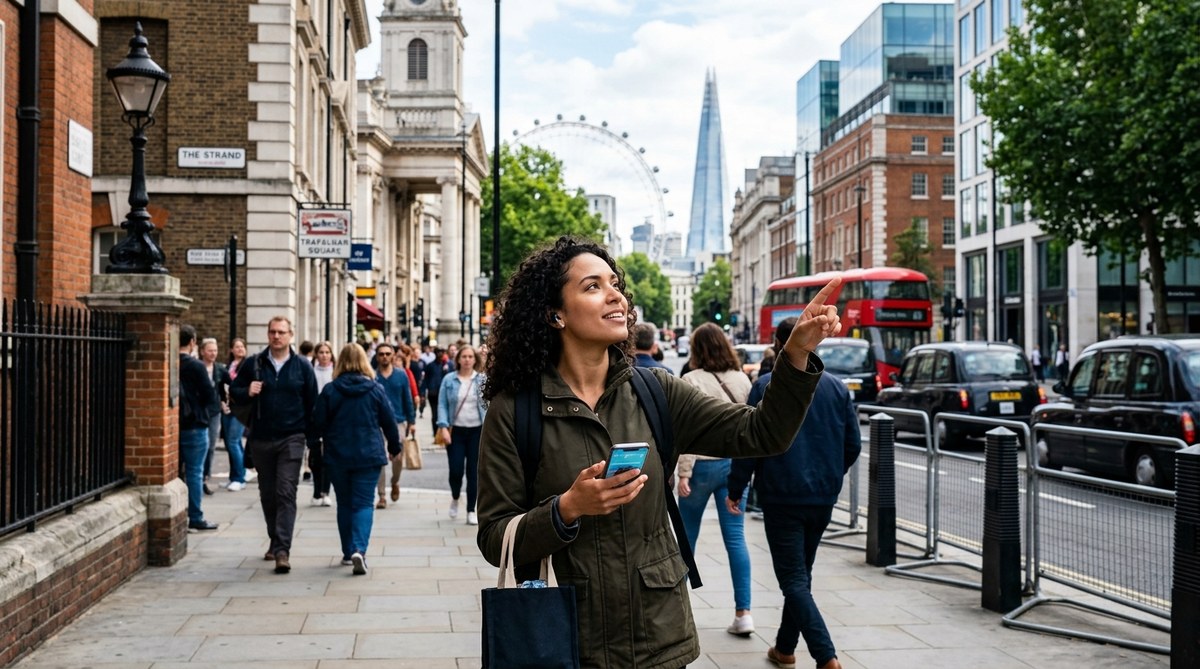
Navigating a city can sometimes feel overwhelming. Whether you’re a visitor trying to find your way or a city planner aiming to make urban spaces more user-friendly, understanding effective exploration and wayfinding strategies is essential. Good navigation improves safety, visitor satisfaction, and overall urban livability. The key lies in designing environments that guide people naturally and intuitively, turning complex cityscapes into accessible spaces for everyone.
Implementing thoughtful city exploration and wayfinding strategies helps visitors and residents navigate urban spaces effortlessly. Clear signage, landmarks, and technology work together to create intuitive routes. By focusing on user needs and environment design, cities can significantly improve navigation experiences for all.
Understanding the importance of city exploration and wayfinding strategies
City exploration is more than just moving from point A to B. It involves understanding how people perceive their surroundings, process information, and make decisions about where to go next. Effective wayfinding strategies are the backbone of urban design, helping to reduce confusion and enhance the flow of pedestrians and vehicles alike.
When cities prioritize wayfinding, they create environments that feel welcoming and safe. Visitors are more likely to enjoy their experience, return, and recommend the city to others. For residents, good navigation reduces stress and saves time. As urban areas grow denser and more complex, implementing smart exploration techniques becomes vital.
Core components of successful city wayfinding systems
Designing a wayfinding system involves multiple elements that work together seamlessly. These include physical signage, environmental cues, digital tools, and strategic planning. Here are some fundamental components to consider:
- Landmarks: Distinctive structures or features that serve as visual anchors.
- Signage: Clear, consistent signs indicating directions, distances, and destinations.
- Maps and Guides: Physical or digital maps that provide orientation and route options.
- Environmental cues: Natural or built features that help users orient themselves.
- Technology: Mobile apps, GPS, and augmented reality tools that enhance navigation.
Practical process for developing effective city wayfinding
Creating a system that truly supports city exploration involves a structured approach:
-
Assess user needs and environment
Understand who will use the system—tourists, residents, commuters—and analyze the city’s layout. Conduct surveys or observations to identify confusion points and high-traffic areas. -
Identify key destinations and routes
Map out popular destinations, transportation hubs, and scenic routes. Determine primary pathways that facilitate smooth movement. -
Design and implement signage and cues
Develop signage that is visually consistent, easy to read, and strategically placed at decision points. Incorporate landmarks and environmental cues to reinforce orientation. -
Integrate digital tools and feedback mechanisms
Launch mobile apps or digital kiosks that provide real-time guidance. Collect user feedback to refine the system continually.
Techniques that make city navigation intuitive
- Use landmarks as navigational reference points. For example, a distinctive clock tower can help visitors orient themselves.
- Implement color coding for different districts or routes.
- Place signs at decision points, such as intersections or transit stops, to confirm directions.
- Design environmental features that naturally guide pedestrians, like shaded walkways or themed streetscapes.
- Leverage digital maps with live updates and augmented reality features for a modern touch.
Common mistakes to avoid in city wayfinding
| Techniques to use | Mistakes to avoid |
|---|---|
| Consistent signage | Overloading signs with too much information |
| Clear landmarks | Using landmarks that blend into surroundings |
| Environmental cues | Relying solely on signage without physical cues |
| User-centric design | Ignoring the needs of different user groups |
| Digital integration | Assuming all users have smartphones or access to apps |
“Designing a city’s wayfinding system is about making navigation feel natural. When users find their way effortlessly, they enjoy their experience more and become more engaged with the urban environment.” — Urban design expert
How technology enhances city exploration
Modern digital tools have revolutionized wayfinding. Smartphone apps can provide turn-by-turn directions, augmented reality overlays, and real-time transit updates. Interactive kiosks offer instant information at key locations. When integrated thoughtfully, technology complements physical signage and environmental cues, creating a cohesive system.
However, it’s crucial to remember that not everyone carries a smartphone or prefers digital navigation. Balancing physical and digital solutions ensures inclusivity and accessibility.
Case studies of successful city exploration strategies
- New York City: The extensive subway signage, iconic landmarks, and digital apps like CityMapper help millions navigate daily. The city’s emphasis on visual cues and comprehensive maps reduces confusion for visitors.
- Amsterdam: The city employs themed signage, bike-friendly routes, and environmental design elements that guide cyclists and pedestrians seamlessly through its compact layout.
- Tokyo: Its layered signage system, combining kanji, English, and symbols, along with digital guidance, caters to international visitors and residents alike.
Implementing a city-wide wayfinding plan
To develop an effective wayfinding system, consider these steps:
- Conduct a comprehensive audit of existing signage and navigation aids.
- Engage stakeholders, including community members, businesses, and transportation agencies.
- Prioritize high-traffic and high-confusion areas for initial improvements.
- Develop a branding and visual language aligned with the city identity.
- Pilot new signage and digital tools, then gather feedback.
- Roll out improvements gradually, ensuring maintenance and updates.
Why a thoughtful approach benefits everyone
Investing in city exploration and wayfinding strategies creates a more accessible, welcoming environment. It encourages tourism, supports local businesses, and enhances daily life for residents. When people can navigate easily, they spend less time searching and more time enjoying what the city has to offer.
Remember, the goal is to create environments where navigation is second nature. Whether through strategic signage, environmental design, or innovative technology, making wayfinding intuitive transforms urban spaces into friendly, engaging places.
Building better cities through smarter navigation
Applying these principles requires collaboration and continuous improvement. Start by evaluating your city’s specific needs and craft tailored solutions. Incorporate user feedback and technological innovations to keep the system dynamic. A well-designed city exploration framework benefits everyone, making urban living more straightforward and enjoyable.
With a focus on understanding user behaviors and integrating multiple cues, you can craft environments that guide people effortlessly. Whether you are working on a small district or an entire city, adopting these strategies will lead to more connected, accessible urban spaces.
By prioritizing clear, consistent, and user-centered wayfinding strategies, cities can turn navigation challenges into opportunities for engagement and growth. Remember that every sign, landmark, or digital tool is part of a bigger story—one that makes your city more welcoming and easier to enjoy.
<|END|>