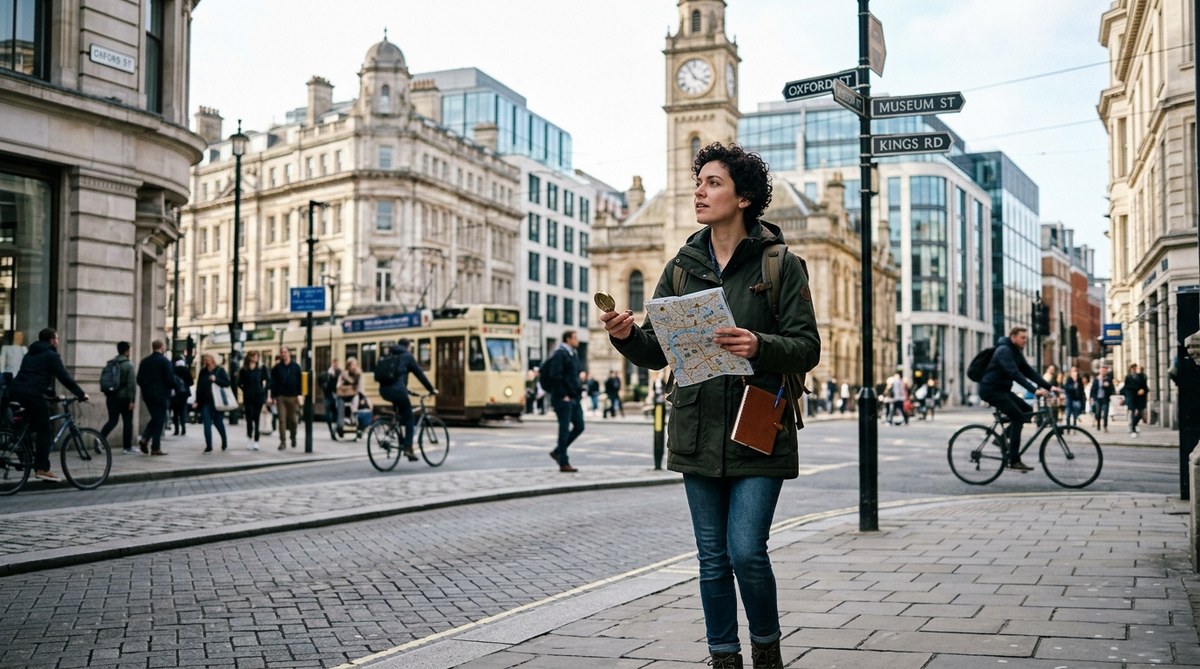
Navigating a city without the help of GPS or digital maps might sound unusual in today’s tech-driven world, but it’s a skill worth mastering. Whether you’re a hiker, backpacker, or outdoor adventurer, knowing how to find your way through urban landscapes can keep you safe and confident. There’s a certain freedom in relying on your instincts and traditional techniques rather than screens and batteries. Plus, it can be a rewarding challenge that sharpens your awareness and sense of direction.
Mastering non-digital navigation techniques enhances your confidence, safety, and connection to the environment. It allows you to explore cities freely, relying on natural cues, landmarks, and simple tools for orientation without depending on technology or maps.
Why Urban Navigation Without Tech Matters
Cities are complex environments with countless streets, landmarks, and pathways. Relying solely on digital maps or GPS can sometimes leave you stranded if your device fails or runs out of battery. Learning traditional navigation skills offers a backup plan. It also deepens your understanding of the urban landscape, making your explorations more intentional and immersive.
For outdoor enthusiasts, these skills are invaluable in emergency situations or when venturing into unfamiliar areas. They foster independence and help you develop a keen awareness of your surroundings. This practical knowledge strengthens your ability to adapt and problem-solve on the fly.
Fundamental Techniques for Finding Your Way
When it comes to navigation without tech, it’s all about honing your observational skills and understanding natural cues. Here are some core methods to keep in mind:
1. Use Landmarks and Visual Cues
Cities are filled with distinctive landmarks. Tall buildings, statues, bridges, parks, and even unique storefronts can serve as reference points. Remembering a few prominent features along your route helps you orient yourself.
2. Observe the Sun and Shadows
The sun rises in the east and sets in the west. By noting its position, you can determine general directions. Shadows cast by buildings will point away from the sun at different times of day, giving clues to your orientation.
3. Pay Attention to Street Layouts and Patterns
Many cities have predictable street grids or distinctive layouts. Recognizing patterns, such as a central park or a river that runs through the city, can assist in navigation. Use these natural or man-made features to guide your way.
4. Use a Compass and Basic Map Reading
A simple compass can be a reliable tool. Combine it with a basic understanding of map reading by familiarizing yourself with common symbols, scale, and orientation. Practice aligning your compass with your surroundings to determine directions.
5. Understand the Behavior of People and Traffic
Observing local habits, such as the flow of pedestrians or vehicle traffic, can tell you a lot about the city’s layout. For example, main roads often lead toward popular destinations or city centers.
Practical Steps to Navigate Without Tech
Follow these steps to confidently find your way:
- Identify your starting point and note nearby landmarks.
- Determine your destination by visual cues or land features.
- Use a compass to establish cardinal directions.
- Plan your route based on known landmarks, street layouts, and natural cues.
- Keep track of your progress by noting landmarks as you pass them.
- Adjust your path if you notice you’re veering off course, using the sun, shadows, or landmarks.
- Stay aware of your surroundings and remain attentive to changes in the environment.
Common Mistakes to Avoid
| Mistake | Why It Happens | How to Avoid |
|---|---|---|
| Relying solely on memory | Landmarks can be missed or forgotten | Always verify landmarks, and use multiple cues |
| Ignoring the sun’s position | Sun moves quickly and can be misleading | Regularly check the sun’s position during the day |
| Misreading a compass | Magnetic interference or incorrect use | Practice with your compass before heading out |
| Overlooking subtle landmarks | Small features matter | Train your eye to notice details like signboards or unique trees |
| Assuming a straight route | Cities often have winding streets | Break down your route into segments and check each step |
Expert Advice for Confident Navigation
“Understanding natural cues like the sun, shadows, and landmarks creates a mental map that guides you reliably. Practice these skills regularly, and they will become second nature.” — outdoor navigation expert
Building Your Urban Navigation Skill Set
Developing the ability to navigate cities without tech is a process. Start with small outings, focusing on observing your environment and practicing fundamental techniques. Over time, your confidence will grow, and you’ll be able to find your way even when digital tools are unavailable.
Practice tip: Take a walk with just a compass and a mental note of landmarks. Afterward, check your route on a map to see how well you navigated.
Additional tools that complement non-digital navigation:
- A simple paper map of the city
- A compass or a watch that can be used for sun positioning
- A notebook to jot down landmarks or routes
Embracing the Freedom of Non-Tech Navigation
Once you get comfortable with these methods, city exploration becomes more enjoyable and less dependent on devices. You’ll develop a deeper connection with your environment and enhance your overall situational awareness. This skill can also make your adventures more spontaneous and tailored to your curiosity.
Keep Practicing and Trust Your Instincts
Every journey is an opportunity to refine your skills. Pay close attention to your surroundings, keep practicing your techniques, and trust your instincts. With time, navigating a city without technology will feel natural and liberating.
Final Thoughts on Navigating Urban Spaces Without Digital Aids
Mastering urban navigation without tech empowers you to explore with confidence and independence. It encourages mindfulness and a closer connection to your environment. Start small, stay curious, and enjoy the freedom that comes with knowing you can find your way no matter what. Keep practicing these techniques, and soon, you’ll navigate cities with ease and assurance.