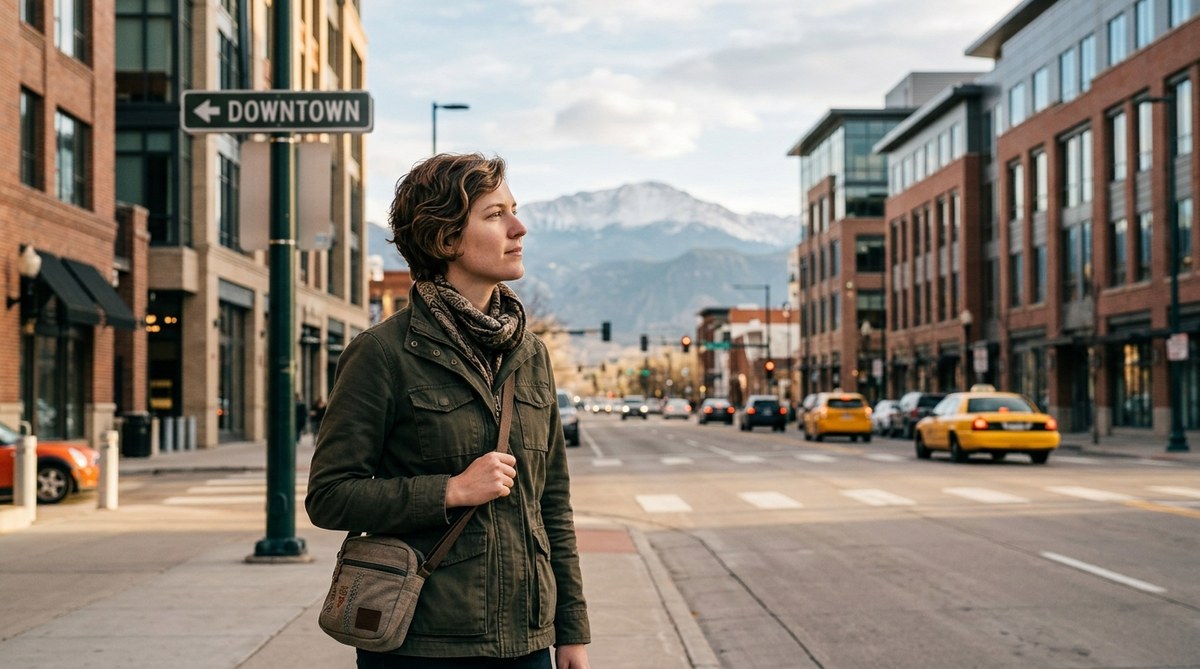
Navigating busy American cities can feel overwhelming, especially if you’re new to an area or want to rely less on digital tools. Fortunately, you can use natural landmarks and local cues to find your way around with confidence. Recognizing the environment around you makes urban exploration more engaging and less dependent on GPS. This guide will help you develop skills to navigate cities naturally, using the landscape and natural features as your compass.
Using natural landmarks and local cues in cities provides a reliable way to find your way, especially when technology fails or you’re seeking a more authentic experience. Learning to spot and interpret these clues enhances your urban adventures and confidence in navigation.
Understanding Natural Landmarks in Urban Settings
Cities are full of natural features that can act as reliable markers for orientation. Parks, bodies of water, prominent trees, hills, and even unique rock formations can serve as navigation anchors. Recognizing these features requires observation and a bit of practice but pays off by giving you a mental map based on the environment rather than relying solely on street signs or digital directions.
Natural landmarks are often more consistent than man-made signs, especially in areas with frequent construction or signage changes. For example, a large oak tree in a park, a distinctive hill, or a river bend can be seen from multiple vantage points, helping you establish your position and plan your route.
Practical Techniques to Navigate Using Natural Landmarks
Here are some straightforward steps you can follow to develop your natural navigation skills:
- Start by observing your surroundings. Before you set out, look for prominent natural features like lakes, hills, or parks. Notice their locations relative to your starting point.
- Identify natural cues during your walk. While moving through the city, keep an eye out for distinctive trees, water bodies, or land formations. Use these as reference points to stay oriented.
- Use natural features to confirm your location. When you reach a landmark, check if it matches your mental map. If it does, use it to determine which way to go next.
- Integrate local cues. Beyond natural features, look for clues like the flow of a river, the direction of sunlight, or the shape of a hill. These can help you orient yourself even without a map.
- Practice regularly. The more you observe and rely on natural cues, the more intuitive this skill becomes. Try navigating a neighborhood or park without digital help to build confidence.
Step-by-step process in action:
- Pick a starting point in a city park, near a hill or water feature.
- Note the position of the landmark relative to your location—Is the hill to your north or south?
- Walk toward another natural feature, such as a creek or a cluster of trees.
- Use these features to verify your route and adjust as needed.
- Continue connecting landmarks, building a mental map based on natural cues rather than signs or GPS.
Recognizing Common Natural Landmarks in U.S. Cities
In American cities, natural landmarks often include:
- Parks with distinctive trees or water features
- Hills or ridges visible from multiple areas
- Rivers or lakes that border or run through the city
- Unique rock formations or cliffs
- Green spaces with notable topography
Being familiar with these features in your city can significantly improve your navigation skills. For instance, in cities like San Francisco, the presence of the Golden Gate Bridge and surrounding hills are key landmarks. In New York City, the river and skyline serve as natural and visual cues.
Common Mistakes and How to Avoid Them
| Mistake | How to Avoid |
|---|---|
| Relying solely on visual landmarks that may change | Cross-reference landmarks with other cues like the sun’s position or surrounding features |
| Ignoring environmental changes such as weather or seasons | Adapt your observations to seasonal differences, like leaf cover or water levels |
| Forgetting to verify your location | Always double-check landmarks against your mental map before proceeding |
| Overestimating the stability of a landmark | Use multiple landmarks to confirm your position, not just one |
“Developing a keen eye for natural cues transforms urban navigation. It’s about understanding your environment on a deeper level, making wayfinding second nature.” — Urban explorer and outdoor navigation expert
Techniques for Accurate Natural Navigation
| Technique | Strengths | Common Mistakes |
|---|---|---|
| Landmark spotting | Consistent, visual cues | Confusing similar features, such as identical trees or buildings |
| Sun and shadow cues | Directional guidance based on the sun’s position | Ignoring seasonal changes affecting sun angles |
| Water flow and shoreline | Natural boundaries that remain steady | Overlooking changes in water levels or man-made obstructions |
| Landform recognition | Hills, ridges, or cliffs as reference points | Misjudging the scale or proximity of features |
Using a combination of these techniques increases accuracy. For example, combining the sight of a river bend with the position of the sun can help you confirm your orientation.
How to Build Your Natural Navigation Skills
- Practice in familiar environments first, such as local parks or neighborhoods.
- Take mental notes of natural features during walks.
- Challenge yourself to navigate without a map or GPS.
- Observe how environmental factors like sunlight or weather affect landmark visibility.
- Keep a small notebook or mental checklist of key landmarks in your city.
When Digital Tools Fail, Your Natural Skills Shine
Technology can be unreliable. Dead batteries, poor signal, or app glitches happen. Building your awareness of natural landmarks ensures you can find your way when devices fail. Over time, this skill fosters confidence and a deeper connection with the environment around you.
Making Urban Wayfinding a Habit
Integrate natural landmark recognition into your daily routines. Walk different routes, pay attention to environmental cues, and verify your understanding periodically. With consistent practice, navigating American cities using natural landmarks becomes second nature.
Final Thoughts: Trust Your Environment
Learning to navigate using natural features is more than just practical; it reconnects you with your surroundings. It makes urban exploration more meaningful and less dependent on technology. By sharpening your observation skills and understanding your environment better, you become a more confident and intuitive city traveler.
Remember, every city has its unique natural cues. Take time to notice and remember them. Over time, your mental map will become richer, making city navigation a natural part of your adventures.
Keep exploring with a keen eye for your environment
Getting comfortable with natural landmarks transforms how you see cities. It’s about trusting what’s around you and building your awareness step by step. Start small, stay curious, and soon you’ll find yourself navigating cities effortlessly using the natural environment as your guide. Happy wandering!