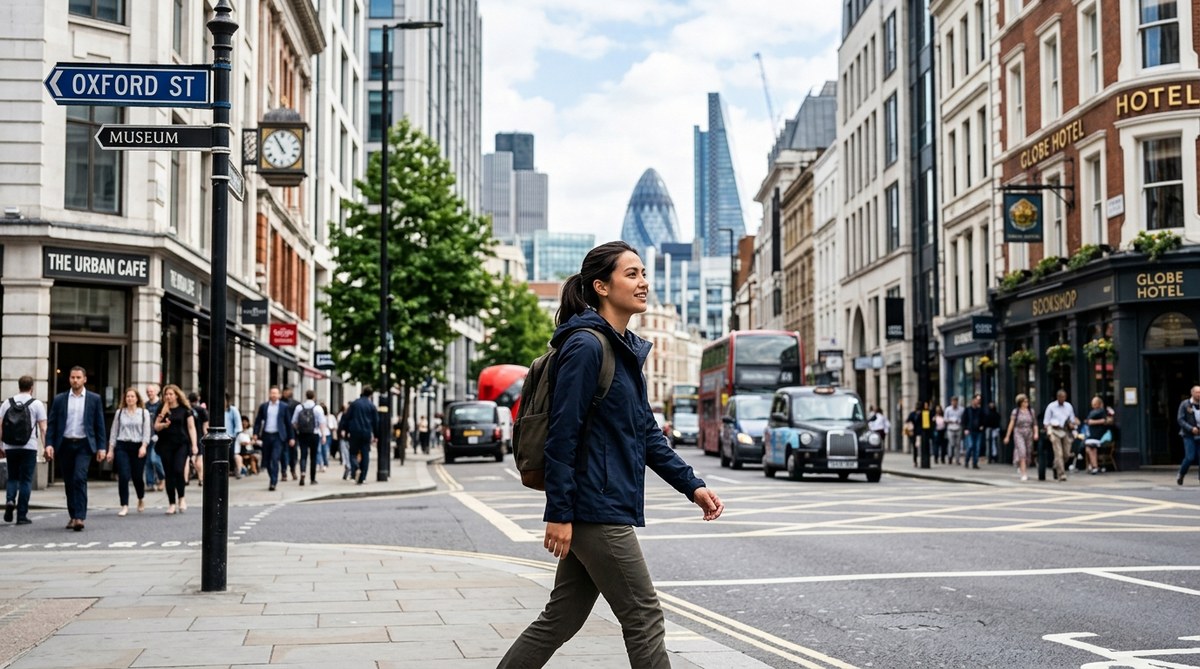
Navigating city streets without relying on GPS or digital maps can feel challenging at first. Yet, many urban explorers have mastered the art of mental mapping and keen observation to find their way confidently. Whether your phone dies, you want to disconnect, or simply prefer to avoid digital dependence, developing traditional navigation skills is both rewarding and practical. With a little practice, you’ll find yourself confidently wandering through unfamiliar neighborhoods and rediscovering the joy of natural wayfinding.
Learning to navigate cities without GPS involves keen observation, memorizing landmarks, understanding street layouts, and practicing mental mapping. These skills boost your confidence and make urban exploration more engaging and sustainable.
How to start navigating cities without GPS
Building your ability to find your way without digital tools involves a step-by-step approach. Here are some practical methods to develop this valuable skill:
- Familiarize yourself with the area before heading out. Study maps, look at satellite images, or walk through your neighborhood at different times. Note key landmarks, street patterns, and public spaces.
- Observe your surroundings deeply during your walks. Notice distinctive buildings, parks, statues, or unique storefronts. These become mental anchors that help you orient yourself later.
- Practice mental mapping by visualizing your route and surroundings. Try to create a mental picture of the streets you walk, the landmarks you pass, and the overall layout.
Practical steps for effective navigation without GPS
Follow these detailed steps to improve your city navigation skills naturally:
- Identify and memorize landmarks. Landmarks are visual cues that help you orient yourself. They can be tall buildings, parks, fountains, or distinctive signs. Focus on a few key landmarks along your route.
- Learn the street grid and orientation. Many cities have a predictable street pattern, whether grid-like or irregular. Recognize main avenues and their typical directions. Pay attention to the sun’s position at different times to help determine directions.
- Use natural cues like the sun and shadows. The sun rises in the east and sets in the west, providing reliable directional clues. Shadows cast by buildings can also indicate the sun’s position.
- Create mental routes based on the sequence of landmarks. For example, “From the park, turn left at the bakery, then right at the statue.” Repeating these sequences cements your mental map.
- Test yourself in familiar areas. Walk around without your phone, relying solely on your mental map. Notice where you get confused and refine your memory.
- Pay attention to environmental clues. Sounds, smells, and even street noise can serve as additional orientation cues.
Common mistakes to avoid when navigating without GPS
| Mistake | Why it hinders navigation | How to avoid it |
|---|---|---|
| Relying solely on memory | Memory can fade or be inaccurate | Keep mental notes but verify with visual cues |
| Ignoring environmental changes | Construction or new buildings alter landmarks | Regularly update your mental map with current surroundings |
| Walking too fast | Missing key landmarks or cues | Slow down and observe carefully |
| Not practicing enough | Skills weaken without reinforcement | Practice regularly in different parts of the city |
“The key to natural navigation is trusting your observations and building a mental picture of your environment. The more you practice, the more intuitive it becomes.” — Urban navigation expert
Techniques and tips for improving your city orientation
- Landmark method: Focus on memorable features like a clock tower or a unique bridge.
- Direction by the sun: Use the sun’s position to approximate east or west during the day.
- Shadow tracking: Shadows move westward in the afternoon, helping you determine east-west orientation.
- Street pattern recognition: Notice if streets run parallel or perpendicular, aiding in understanding the city’s layout.
- Environmental cues: Pay attention to sounds like busy markets or water features as navigational aids.
- Memory tricks: Create stories around landmarks to remember routes better.
| Technique | Best suited for | Common mistake | Expert tip |
|---|---|---|---|
| Landmarks | Short routes, complex intersections | Overlooking small but distinctive landmarks | Focus on landmarks that stand out and are unlikely to change |
| Sun and shadows | Daytime navigation | Misjudging shadow movement | Practice at different times to get familiar with shadow shifts |
| Route storytelling | Long-distance navigation | Forgetting sequence | Repeat stories aloud to reinforce memory |
| Environmental cues | No visual landmarks | Over-reliance on sight | Use sound and smell for additional guidance |
When to prepare before heading out
Preparation can make all the difference, especially in unfamiliar areas. Before setting out:
- Study the city’s main streets and landmarks.
- Plan your route using a paper map or satellite view.
- Memorize key landmarks and their relation to your starting point.
- Note natural cues like the sun’s position at the expected time.
- Consider carrying a small physical map or a compass as backup.
Final thoughts on mastering city navigation without tools
Building your skills in natural wayfinding takes patience and practice. Start small by navigating familiar areas without digital aids and gradually challenge yourself with more complex routes. Over time, you’ll develop a keen eye for landmarks and environmental cues that guide you confidently. Remember, the joy of exploring cities without dependence on technology is discovering your environment anew. With consistent effort, you’ll find yourself more connected and self-reliant on your urban adventures.
Step into confident city wandering
Applying these techniques makes city exploration more engaging and less stressful. Practice regularly, trust your observations, and enjoy the process of learning your surroundings. Embrace the challenge of navigating without GPS as an opportunity to deepen your connection with urban spaces. Happy wandering!