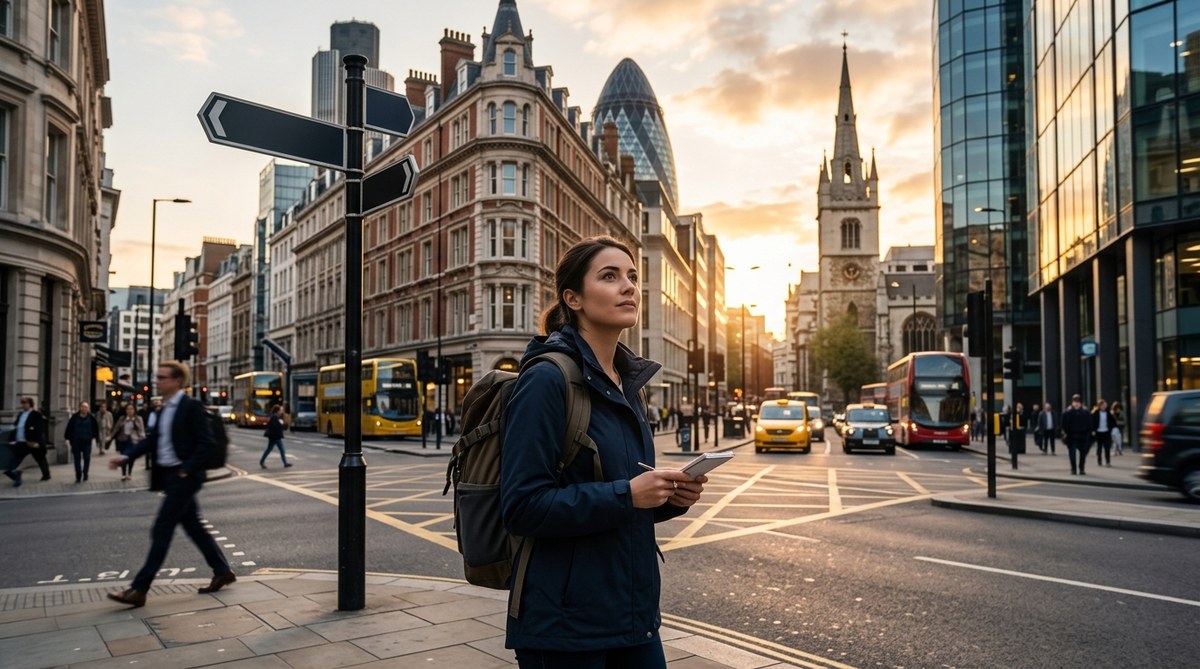
Navigating a busy city can sometimes feel overwhelming. Streets, landmarks, and signs are everywhere, but knowing how to use environmental cues effectively can make your journeys smoother and more enjoyable. Instead of relying solely on maps or GPS, developing a keen eye for environmental clues enhances your spatial awareness. It helps you move confidently through unfamiliar areas and even discover hidden gems along the way. Let’s dive into practical strategies that can sharpen your urban navigation skills using environmental cues.
Using environmental cues involves observing landmarks, street patterns, and local signs. By honing these skills, you can navigate cities more confidently without constantly relying on digital tools, making urban exploration more intuitive and enjoyable.
Recognizing Key Environmental Cues in the City
Cities are full of visual and structural signals that can guide you. These cues include landmarks like statues, distinctive buildings, and natural features like rivers or parks. Street patterns and neighborhood layouts also offer hints about orientation. Public signs, shopfronts, and even the way traffic flows can inform your sense of direction.
Understanding these cues transforms your perception of the environment from a confusing maze into a series of recognizable patterns. For example, noticing that a particular tower remains visible from multiple vantage points helps establish your position relative to that landmark. Similarly, observing the direction of sunlight during the day can serve as a natural compass.
Practical Techniques to Enhance Your Environmental Awareness
Developing better urban navigation skills involves practicing specific observation strategies. Here are some steps to sharpen your ability to read environmental cues:
-
Identify prominent landmarks
Look for structures, statues, or unique building features that stand out. Keep mental notes of these landmarks as reference points. -
Observe street patterns and intersections
Notice how streets are laid out. Are they grid-like, winding, or radiating from a central point? Recognizing these patterns helps in estimating your location. -
Pay attention to signs and signals
Signs often contain directional information or street names. Use them to confirm your position or decide your next move. -
Use natural cues like sunlight
During the day, the sun’s position can inform you about cardinal directions. Facing the sunrise generally means east, while the sunset indicates west. -
Be mindful of environmental changes
Changes like construction, seasonal foliage, or temporary signage can alter visual cues. Stay adaptable and update your mental map accordingly.
A Step-by-Step Process to Navigate Using Environmental Cues
Here is a simple process to follow when navigating without a map or GPS:
-
Start with a known landmark
Identify a landmark you recognize or have previously noted. -
Assess your surroundings
Observe the street layout, signs, and natural cues, noting any distinctive features. -
Determine your orientation
Use sunlight, street signs, or landmarks to establish which way you are facing. -
Plan your route based on environmental cues
Choose streets and landmarks that align with your destination, verifying your route along the way. -
Continuously re-evaluate your position
As you move, keep observing environmental cues to confirm you are on the right path. -
Adjust if needed
If your cues don’t match your expectations, reassess your surroundings and choose an alternative route.
Common Mistakes and How to Avoid Them
| Mistake | How to Avoid |
|---|---|
| Relying solely on a single landmark | Cross-reference multiple cues for accuracy |
| Ignoring environmental changes | Stay alert for temporary modifications or obstructions |
| Assuming cues are static | Recognize that urban environments change and adapt accordingly |
| Overlooking natural cues like sunlight | Use natural indicators as backup when signs are unclear |
| Forgetting to update your mental map | Regularly re-assess your surroundings during navigation |
Expert Advice on Using Environmental Cues Effectively
“The key to mastering urban navigation without relying on digital aids is to become a keen observer. Your environment is full of subtle clues that tell you where you are and where you need to go. The more you notice, the better your sense of direction becomes.” — urban navigation specialist
Techniques and Common Mistakes in Urban Wayfinding
| Technique | Mistake to Avoid |
|---|---|
| Using landmarks for orientation | Relying on landmarks alone can mislead if they are temporary or obscured |
| Recognizing street patterns | Forgetting that city layouts can be complex and not always intuitive |
| Employing natural cues like sunlight | Overlooking seasonal or weather-related changes that affect natural cues |
| Paying attention to signage | Ignoring signs that may be confusing or outdated |
Building Confidence in Your Navigational Skills
Practicing environmental awareness in familiar areas before venturing into new neighborhoods boosts your confidence. Try walking around your neighborhood without your phone, relying only on visual cues. Notice how streets connect and how landmarks help you orient yourself. Gradually challenge yourself by exploring unfamiliar parts of the city, applying these techniques. Over time, your ability to read environmental cues will become second nature.
Unlocking Your Urban Adventure Potential
Navigating city streets using environmental cues is a skill anyone can develop. It turns urban environments from intimidating mazes into familiar landscapes. With practice, you’ll find yourself moving more naturally and enjoying your city explorations more fully. Remember, every street corner, park, and building holds clues. Your task is to learn how to read and interpret them confidently.
Final thoughts on mastering urban navigation
Start paying closer attention to your surroundings today. Notice how the sun moves across the sky during your daily walks. Look for landmarks that stand out. Observe the flow of traffic and the arrangement of streets. With time, these cues will help you navigate cityscapes effortlessly. Urban environments are full of stories told through their structures and signs. Learning to listen to these stories enriches every journey you take.