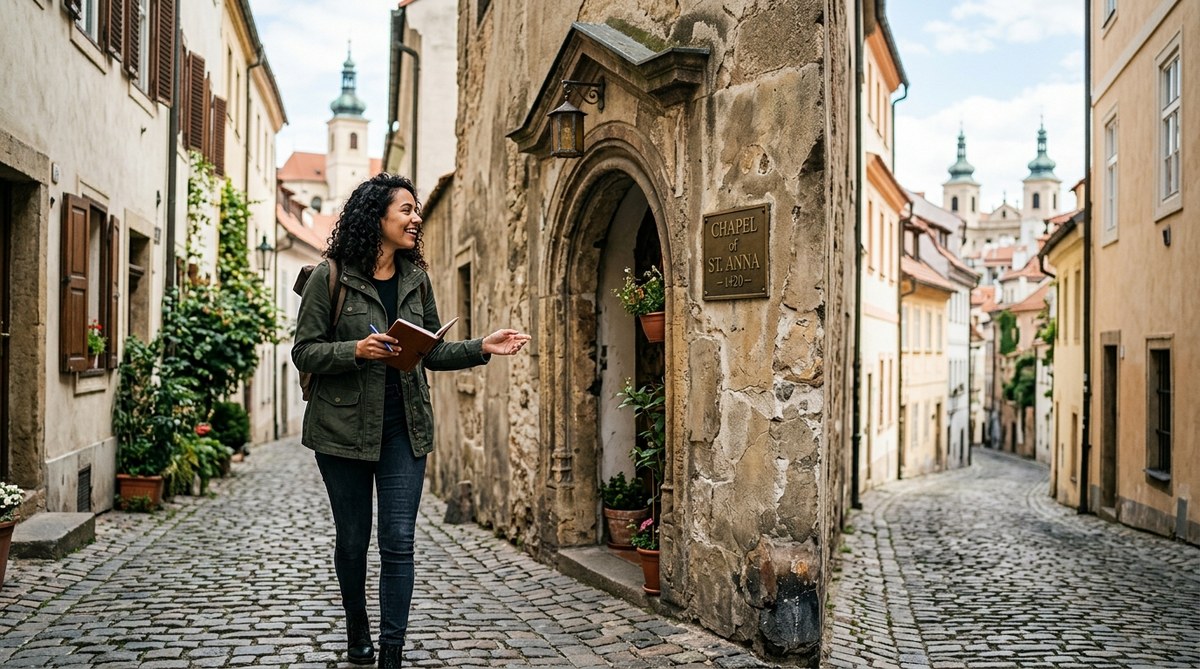
Navigating a city can sometimes feel like a game of hide and seek. While the bright signs and well-trodden paths are obvious guides, many of the most useful landmarks are tucked away, overlooked, or hidden in plain sight. These lesser-known city landmarks can become your secret tools for orientation, helping you find your way with confidence and even adding a layer of fun to your urban adventures. Whether you’re a seasoned explorer or just want to avoid getting lost on your next trip, understanding how to spot and use these hidden landmarks transforms navigation into an intuitive experience.
Mastering navigation involves recognizing hidden city landmarks that aren’t always obvious. These cues, from architectural details to subtle environmental features, help you orient yourself naturally and confidently, turning city wandering into a rewarding skill in 2026.
Why Hidden Landmarks Are Game Changers for Urban Navigation
Most city maps and navigation apps rely heavily on street names and major intersections. While these are helpful, they often overlook the subtle cues that can guide you when technology fails or you’re seeking a more organic, local experience. Hidden landmarks are the unique features that stand out in a neighborhood but rarely make it into tourist guides or standard maps.
These landmarks might be an ornate door on a backstreet, a distinctive street art mural, an unusual lamppost, or a historic but little-known building. Recognizing and remembering these features can dramatically improve your ability to find your way around without constantly consulting a device. They serve as mental anchors, allowing you to build a mental map based on environmental cues.
How To Spot Hidden City Landmarks
Finding these landmarks involves a keen eye and a little practice. Here are some steps to incorporate into your urban explorations:
- Observe your surroundings closely. Pay attention to details that stand out. For example, a uniquely shaped fire hydrant, an unusual window pattern, or an interesting sculpture can become a reference point.
- Identify environmental cues. Look for street art, building styles, or natural features like a large tree or a fountain that can serve as navigation aids.
- Memorize a handful of landmarks. Focus on landmarks that are easy to spot and unlikely to change over time. Use them as reference points to orient yourself.
- Connect landmarks with directions. For example, remember that a particular mural is always north of a certain park, or a distinctive clock tower is on your right when heading east.
Practical process for using hidden landmarks
To integrate these landmarks into your navigation routine, follow this simple process:
- Start with your destination and identify nearby hidden landmarks.
- Plan your route by linking these landmarks with the main streets or pathways.
- Use environmental cues to confirm your position along the way.
- Adjust your path if landmarks aren’t where you expect, relying on new cues you encounter.
Techniques for Leveraging Hidden Landmarks Effectively
| Technique | How It Works | Common Mistakes |
|---|---|---|
| Landmark anchoring | Use a specific landmark as a fixed point to orient yourself | Relying on landmarks that might change or be obscured |
| Environmental storytelling | Create a mental story connecting landmarks and routes | Forgetting landmarks or confusing similar features |
| Sequential recognition | Remember the order of landmarks along your route | Overlooking landmarks that look similar or are far apart |
| Contextual cues | Combine landmarks with environmental factors like lighting or sounds | Ignoring changing lighting conditions or weather effects |
“The key is to notice what makes each landmark unique. When you do this consistently, your brain starts to build a rich, intuitive map of the city.” — Urban navigation expert
Mistakes to avoid
- Relying solely on street names or GPS. These can fail or be confusing in complex neighborhoods.
- Ignoring environmental changes such as construction, new signage, or seasonal decorations.
- Forgetting to revisit your mental map regularly, which can lead to confusion over time.
Practical Techniques to Improve Your Urban Wayfinding
- Use natural cues. For example, a uniquely shaped tree or a pattern on a building can serve as a landmark.
- Connect landmarks with familiar words. “The mural next to the bakery” or “the statue at the corner of the park.”
- Practice by intentionally navigating without GPS. Pick a route, identify landmarks, and see how well you can stick to it.
- Create mental stories that link landmarks to your route, making recall easier.
| Technique | Benefit | Common pitfalls |
|---|---|---|
| Visual association | Builds strong mental links | Forgetting landmarks or confusing similar visuals |
| Spatial sequencing | Helps remember route order | Overlooking minor landmarks or changing environments |
| Environmental context | Adds layers of cues | Weather or lighting conditions may alter perception |
Building Your Personal Landmark Library
To get the most out of this method, start compiling a list of reliable landmarks in your favorite neighborhoods. Take photos, note their features, and practice recalling their locations. Over time, your ability to navigate using environmental cues will become second nature.
Example of a landmark list:
- The ornate iron gate at the alley entrance
- A mural painted on the side of a bakery
- The unusual sculpture in the park
- The distinctive clock on the old train station
- The pattern on a specific crosswalk
How To Practice Natural Navigation
- Choose a destination but avoid using your phone’s map.
- Identify a few landmarks along your route.
- Use these landmarks to guide your steps.
- When you arrive, check your position by looking for your landmarks.
- Repeat with different routes and landmarks to strengthen your skill.
Common Missteps and How to Correct Them
| Mistake | How to fix it | Tips for success |
|---|---|---|
| Relying on familiar routes only | Challenge yourself to find new paths | Always look for new landmarks along familiar routes |
| Ignoring environmental changes | Update your mental map regularly | Revisit landmarks periodically or when you notice changes |
| Forgetting landmarks | Take notes or photos of key features | Practice recalling landmarks before heading out |
Real-World Applications for Urban Explorers
Using hidden landmarks enhances your ability to navigate unfamiliar cities or neighborhoods confidently. It supports spontaneous adventures, helps you avoid getting lost in crowded areas, and deepens your connection to the city’s unique features. This skill is especially valuable when exploring cities with complex layouts or during situations where technology isn’t reliable.
The Art of City Navigation in 2026
Building a mental library of hidden landmarks transforms the way you experience urban environments. It turns navigation from a chore into a form of urban storytelling. Over time, you’ll find yourself instinctively recognizing environmental cues that guide you effortlessly through streets, alleys, and parks. This skill not only makes your journeys smoother but deepens your appreciation for the city’s character.
Remember, every city has its secrets waiting to be uncovered. Take the time to notice what makes each place unique. With patience and practice, your ability to find your way will improve dramatically, making each urban adventure richer and more rewarding.