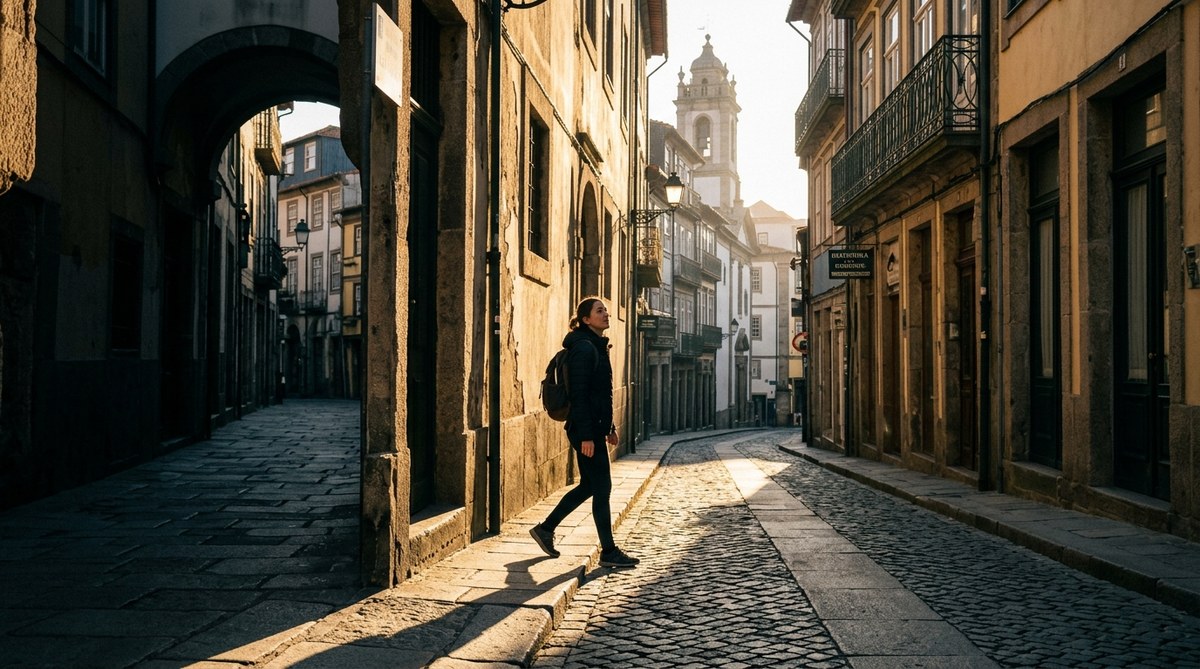
Navigating a busy city can sometimes feel overwhelming, especially when your phone battery dies or GPS signals falter. Yet, the environment around you offers subtle clues that can help you find your way without relying on maps or technology. Shadows cast by buildings, the way light hits streets, and natural landmarks form a silent map that, if read correctly, guides you effortlessly through any urban jungle. Understanding how to interpret these cues transforms city exploration from a confusing maze into a fluid, intuitive experience.
Using shadows and light for navigation turns the city into a living map. Recognize the patterns cast by buildings, observe how light changes throughout the day, and identify natural landmarks. With practice, you’ll navigate confidently without relying on maps, discovering new parts of your city through subtle environmental cues.
Understanding the role of shadows and light in urban navigation
Shadows and light are more than aesthetic features in a city. They are dynamic tools that reveal the layout of streets, alleys, and landmarks. Shadows change with the time of day, reflecting the position of the sun. Light highlights specific features, drawing attention to certain pathways or structures. When you learn to read these patterns, you gain a natural compass that helps you stay oriented.
For example, tall buildings cast long shadows in the morning and late afternoon. Recognizing these can help you gauge direction—shadows pointing west in the afternoon indicate you are facing east. Similarly, the way light hits certain buildings or landmarks can serve as a visual cue to your location. Over time, understanding these subtle signals turns shadows into reliable guides.
Practical steps to use shadows and light for city navigation
-
Learn the sun’s path in your city.
Begin by observing how shadows move during different times of the day. In the morning, shadows point west. At noon, they are shortest and point directly away from the sun. In the late afternoon, they stretch eastward. By noting these movements, you develop an intuitive sense of direction. -
Identify and use natural landmarks illuminated by light.
Pay attention to prominent structures that stand out when lit, such as clock towers, statues, or unique buildings. Their position relative to the sun can help you determine your orientation. For instance, a building consistently illuminated on its north side in the morning indicates its position relative to the sun’s path. -
Notice shadow patterns cast by architecture.
Large, consistent shadows can reveal street layouts. An alley that consistently receives less light may be shadowed by taller buildings, indicating a narrow, shaded corridor. Conversely, open plazas bathed in sunlight suggest wider, more accessible routes.
Additional tips for effective navigation
- Use the angle and length of shadows to estimate the time of day and direction.
- Pay attention to light contrasts, as darker shaded areas can indicate narrower streets or alleys.
- Observe natural landmarks like trees, hills, or water bodies that reflect light differently and help with orientation.
- Combine environmental cues with your knowledge of the city’s grid or layout for more precise navigation.
Common mistakes to avoid when relying on shadows and light
| Mistake | Why it’s a problem | How to avoid it |
|---|---|---|
| Assuming shadows always point in the same direction | Shadows shift with the sun’s position, which varies throughout the year | Regularly observe shadows at different times to understand their movement patterns |
| Relying solely on shadows for orientation | Shadows can be distorted by buildings and obstructions | Use shadows in conjunction with visible landmarks and street layouts |
| Ignoring weather conditions | Overcast skies or cloudy days diminish shadows and light cues | Focus on other environmental cues like street signs or natural features during cloudy weather |
| Forgetting seasonal changes | The sun’s arc shifts with seasons, affecting shadow directions | Adjust your understanding based on the season and time of day |
Techniques versus mistakes
| Techniques | Mistakes |
|---|---|
| Use shadow length and angle to determine direction | Assuming shadows are static or always point the same way |
| Recognize how light highlights landmarks | Ignoring weather conditions that obscure shadows |
| Combine shadow cues with landmarks for better accuracy | Relying on shadows exclusively without other cues |
Expert advice on reading urban shadows and light
“Shadows are like the city’s silent storytellers. By paying close attention to how they fall and shift, you develop a natural sense of direction that’s both reliable and intuitive. Practice observing shadows at different times and in various weather conditions to sharpen your skills.” — Urban exploration guide
Developing your natural wayfinding skills
Building confidence in using shadows and light takes time. Start by practicing in familiar areas. Notice how the sun’s position affects the environment and how shadows change throughout the day. Over weeks, these observations become second nature. Eventually, you’ll find yourself navigating unfamiliar neighborhoods with ease, guided solely by environmental cues.
Create mental maps based on the interplay of shadows, light, and landmarks. Think of shadows as a compass that shifts with the sun, and light as the spotlight highlighting your surroundings. This approach makes city exploration more engaging and less reliant on technology.
Applying shadow and light techniques in real-world scenarios
Suppose you are in a new part of town and need to find your way back to your starting point. Observe the shadows cast by nearby buildings. If shadows are pointing west and the sun is high, you might be facing east. Recognize familiar landmarks illuminated by sunlight, such as a distinctive clock tower or a sculpture. Use these cues to orient yourself and choose the correct streets.
On another occasion, you might arrive late in the day. Shadows will be longer and stretch toward the east. Use that to confirm your direction. If you see shadows cast across a street that feels like a familiar route, you can confidently follow that path.
Combining environmental cues for seamless navigation
While shadows and light are powerful tools, combining them with other natural cues enhances accuracy. Use sounds, smells, or textures of the environment—like the sound of a busy marketplace or the scent of blooming trees—to confirm your location. Recognizing these cues alongside shadows creates a multi-sensory navigation system that’s both reliable and enjoyable.
Final thoughts: Trust your environment
City landscapes are full of hidden signals waiting to be read. Shadows, light, and natural landmarks form an invisible map that, once understood, guides you effortlessly. Practice observing these cues regularly, and soon they will become your trusted allies in urban exploration. Remember, mastering this skill transforms city wandering into a natural, intuitive experience.
A final tip for confident city wandering
Next time you walk through your city, pause to notice the shadows. Observe how they change with the sun and how they reveal the layout around you. Use light to spot landmarks and confirm your orientation. Over time, this practice unlocks a new way of experiencing your environment—one that’s rooted in awareness and natural cues. With patience and curiosity, you’ll turn shadows into your personal navigation allies, making every city trip a journey of discovery.