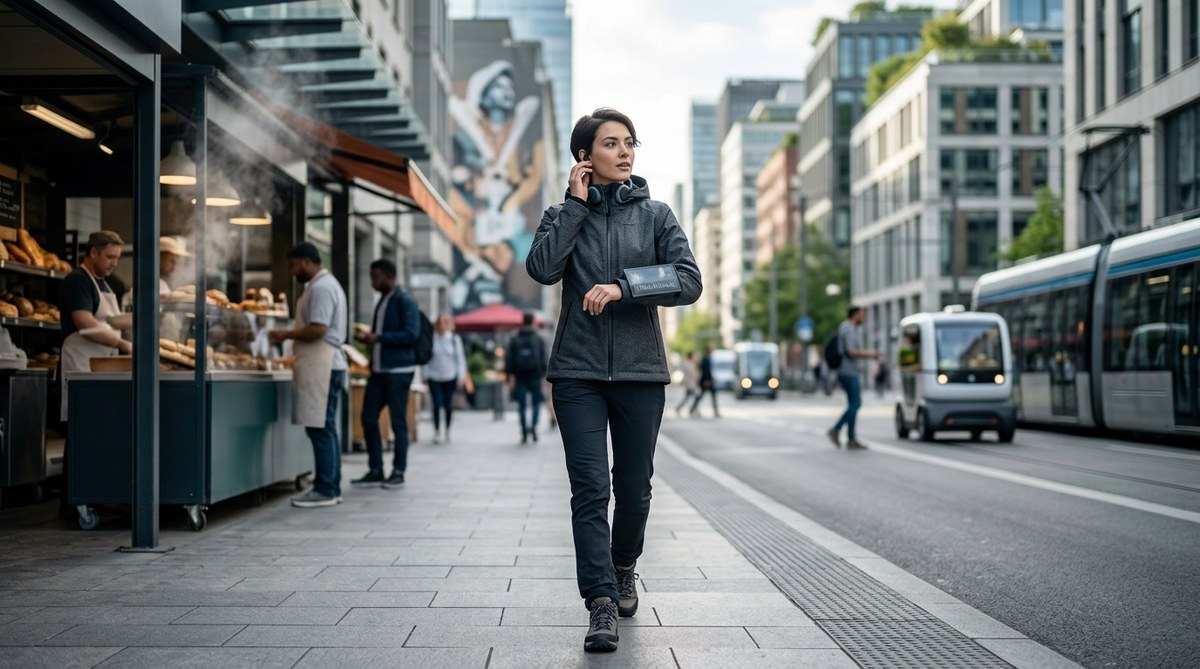
Urban environments are bustling, complex spaces that can challenge even the most experienced navigators. As cities grow denser and more dynamic, relying solely on maps or digital tools might not always be enough. Sensory cues like sounds, smells, and visual landmarks offer a rich tapestry of information that can guide you through urban landscapes. In 2026, mastering urban navigation using sensory cues is not just a skill for the visually impaired; it’s a practical approach everyone can develop to move more intuitively, confidently, and safely through city streets.
Using senses like hearing, smell, and sight enhances urban navigation by providing multiple cues. Developing these skills helps you move confidently, especially in unfamiliar environments or when technology fails.
Understanding sensory cues in city navigation
Cities are filled with sensory information. The sounds of traffic, footsteps, distant sirens, or street musicians create a unique auditory landscape. Smells from food vendors, blooming flowers, or exhaust fumes form a scent profile that can act as a landmark. Visual cues include distinctive buildings, murals, street signs, and natural features like trees or rivers. Combining these cues allows for a multisensory understanding of your surroundings, making navigation more natural and less reliant on technology.
Why sensory cues matter in 2026
Technology can be unreliable. GPS signals may falter in dense urban canyons or underground passages. Battery life depletes, or devices malfunction. When this happens, your ability to interpret environmental cues becomes invaluable. Sensory-based wayfinding offers resilience. It encourages mindfulness and awareness of surroundings, leading to more confident exploration. Researchers and urban planners increasingly recognize this approach as vital for inclusive urban design and for enhancing wayfinding skills for everyone.
How to develop sensory-based urban navigation skills
Building proficiency in using sensory cues requires practice and awareness. Here’s a step-by-step process:
-
Familiarize yourself with your environment
Spend time exploring a neighborhood without relying on digital tools. Pay attention to distinctive sounds, smells, and sights. Notice how certain intersections have unique features or how the scent of a bakery marks a specific block. -
Identify key environmental landmarks
Look for consistent visual markers such as murals, clock towers, or natural features like rivers. Recognize sounds like a train horn or a particular street musician. Smells from food stalls or parks can also serve as reliable indicators. -
Practice multisensory observation
When walking, consciously note what you see, hear, and smell. Try to remember these cues and associate them with specific locations. Over time, these associations will become intuitive guides. -
Create mental maps based on sensory cues
Develop a mental picture that integrates visual landmarks with sounds and smells. This mental map supports orientation and helps in navigating without dependence on digital devices. -
Apply and refine your skills
Use these cues to find your way in different parts of the city. Challenge yourself by navigating unfamiliar routes using only sensory information. Reflect on what worked and adjust your awareness strategies.
Practical techniques for sensory navigation
| Technique | Description | Common Mistake |
|---|---|---|
| Auditory anchoring | Use consistent sounds like traffic flow or street music to locate your position | Relying on sounds that change frequently, like passing vehicles or crowds |
| Olfactory mapping | Recognize smells that persist in specific areas, such as a bakery or park | Confusing transient smells with permanent landmarks |
| Visual landmark recognition | Memorize distinctive buildings, murals, or natural features | Overlooking subtle landmarks that are easy to miss |
| Environmental blending | Combine multiple cues for robust orientation | Ignoring conflicting cues, leading to confusion |
“The key to successful sensory navigation is to attune yourself to environmental consistencies. Over time, these cues become your natural compass, guiding you confidently through the city.” – Urban planning researcher Dr. Lisa Monroe
Building resilience when technology fails
Despite advances, digital navigation tools can fail unexpectedly. Relying solely on these tools can leave you stranded. Developing sensory cues offers a backup. For example, recognizing the scent of a particular coffee shop can help you locate your favorite park or landmark. Remember, practicing these skills regularly strengthens your natural orientation abilities.
Mistakes to avoid in sensory-based wayfinding
| Common Mistake | Why It Happens | How to Avoid It |
|---|---|---|
| Overlooking subtle cues | Assuming only prominent features matter | Practice paying attention to small environmental details |
| Relying on transient sounds or smells | Focusing on fleeting cues that change | Confirm cues over time before using them as anchors |
| Ignoring conflicting cues | Trusting only one sense | Cross-reference visual, auditory, and olfactory information |
| Failing to update mental maps | Rigidly sticking to initial cues | Continually reassess surroundings during navigation |
Enhancing your sensory navigation abilities
- Practice mindfulness during walks. Focus on what you see, hear, and smell.
- Take different routes regularly to build new associations.
- Use a journal to record distinctive cues in various neighborhoods.
- Challenge yourself by navigating with eyes closed or with minimal reliance on digital aids.
- Participate in guided sensory navigation exercises, perhaps with a local urban exploration group.
Integrating sensory cues into urban planning
Urban planners can contribute to better wayfinding by designing environments that emphasize multisensory cues. Installing distinctive visual features, planting fragrant flowers, or creating soundscapes enrich city landscapes. These efforts help all residents and visitors navigate more effectively, especially those with impairments or sensory sensitivities.
Final thoughts on mastering sensory-based navigation
Developing an intuitive sense of city streets using sounds, smells, and sights opens new avenues for exploration. It fosters independence, enhances safety, and deepens your connection with the environment. Regular practice makes these cues second nature, transforming city navigation into a seamless experience. Whether you are exploring a new neighborhood or revisiting familiar streets, trusting your senses enriches your journey.
Keep moving with your senses
Mastering urban navigation through sensory cues is a skill that grows with practice. Start by paying close attention to your surroundings and gradually build your mental map. Over time, you’ll find yourself navigating confidently, even without your phone or GPS. Embrace the richness of city life and let your senses become your natural guides.