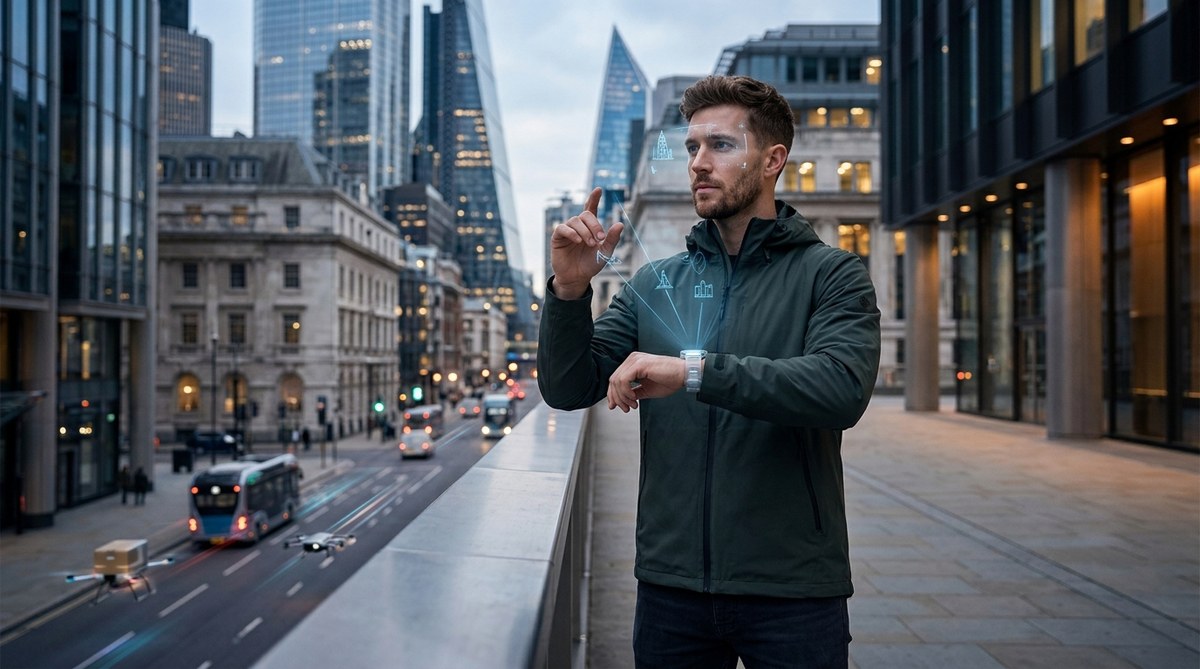
Navigating a busy city without a map might seem like an old-school trick, but in 2026 it’s a skill that keeps your senses sharp and your independence intact. Whether you’re exploring a new neighborhood or simply want to rely less on digital gadgets, understanding how to read your surroundings can transform your city experience. Natural navigation helps you develop a deeper connection with your environment and makes getting around more intuitive.
Mastering urban environment navigation without a map involves honing your awareness of landmarks, understanding street patterns, and paying close attention to environmental cues. These skills boost confidence, improve spatial intelligence, and make city exploration more natural and enjoyable.
Why mastering natural navigation enhances your city adventures
In an age dominated by GPS and digital maps, learning to find your way without a device adds a layer of independence and confidence. It encourages you to engage more deeply with your surroundings, making every walk or trip more meaningful. Developing these skills also prepares you for situations where technology might fail or be unavailable, ensuring you stay oriented in any urban environment.
Practical steps to read the city streets naturally
Building your ability to navigate without a map is a process that involves observation, memory, and understanding of urban patterns. Here are the key steps to start developing these skills:
-
Begin with familiar routes
Choose a neighborhood or route you already know well. Walk through it intentionally, paying attention to landmarks, street layouts, and environmental cues. Notice unique buildings, signs, or natural features that stand out. Repetition helps internalize the environment. -
Learn to spot landmarks and recurring cues
Landmarks are visual anchors that help you orient yourself. These could be a distinctive clock tower, a mural, a park entrance, or a unique storefront. The more you recognize and remember these cues, the easier it becomes to find your way around. -
Understand street patterns and grid layouts
Many U.S. cities are built on grid systems, but some have irregular layouts. Study the general flow of streets, noting how avenues run east-west and streets run north-south. Recognize how landmarks align with these patterns to make educated guesses about your location.
Environmental cues that keep you oriented
Natural navigation relies on subtle environmental clues. Here are some tips:
- Observe the sun’s position to determine directions. In the northern hemisphere, the sun rises in the east and sets in the west, which can help orient your route.
- Notice wind patterns or smell cues that may lead to parks, water bodies, or commercial zones.
- Pay attention to noise sources like busy intersections, train sounds, or water features that can serve as directional indicators.
- Identify natural features such as rivers, hills, or trees that can act as landmarks.
“Your senses are your best tools. Train them to pick up environmental cues that tell you where you are and where you need to go,” advises urban explorer and navigation enthusiast Mark Jensen.
Techniques for reading your environment effectively
| Technique | What it involves | Common mistakes |
|---|---|---|
| Landmark recognition | Memorizing key features along routes | Focusing only on prominent landmarks and ignoring context |
| Environmental storytelling | Using cues like sounds, smells, and natural features | Overlooking subtle cues or assuming they stay constant |
| Pattern observation | Noticing how streets, parks, and buildings align | Relying solely on memory without reassessing surroundings |
| Directional anchors | Using the sun, wind, or water flow | Misjudging the time of day or weather effects |
Practical exercises to sharpen your natural navigation
- Practice in familiar areas by closing your GPS and trying to reach a destination using only environmental cues.
- Map-less walks: Pick a point and try to navigate there without a map, relying solely on landmarks and cues.
- Storytelling route: Create mental stories connecting landmarks to remember routes better.
- Reverse navigation: Find your way back without tech after reaching a destination.
Common pitfalls and how to avoid them
| Mistake | Why it happens | How to avoid it |
|---|---|---|
| Over-reliance on prominent landmarks | Assuming landmarks stay the same | Take note of surroundings beyond the obvious |
| Ignoring environmental changes | Weather or seasons altering cues | Stay adaptable and reassess cues regularly |
| Forgetting the bigger picture | Getting caught up in details | Maintain an overall sense of direction |
Tips for improving your spatial awareness
- Regularly challenge yourself to navigate without technology.
- Learn local street names and patterns to build mental maps.
- Use storytelling to connect landmarks and routes.
- Pay attention to subtle cues like shadows and sounds.
- Practice regularly to build confidence and intuition.
Final thoughts on walking confidently through the city
Building your skills to read the urban environment without a map takes patience and practice. Start small by familiarizing yourself with local streets and landmarks. Over time, you’ll develop a natural sense of direction that makes city exploration more enjoyable. Remember, your senses are powerful tools. Trust them, stay observant, and let the environment guide you. With consistent effort, navigating any city can become instinctive and effortless.
Keep your senses sharp for city navigation
Using environmental cues to find your way makes urban exploring richer and more personal. It transforms the city into a landscape of clues waiting to be read. So lace up your shoes, open your eyes and ears, and see how naturally your surroundings can guide you. The more you practice, the more your confidence will grow. Your city is ready to be explored on your terms—without a map, just your senses and curiosity.