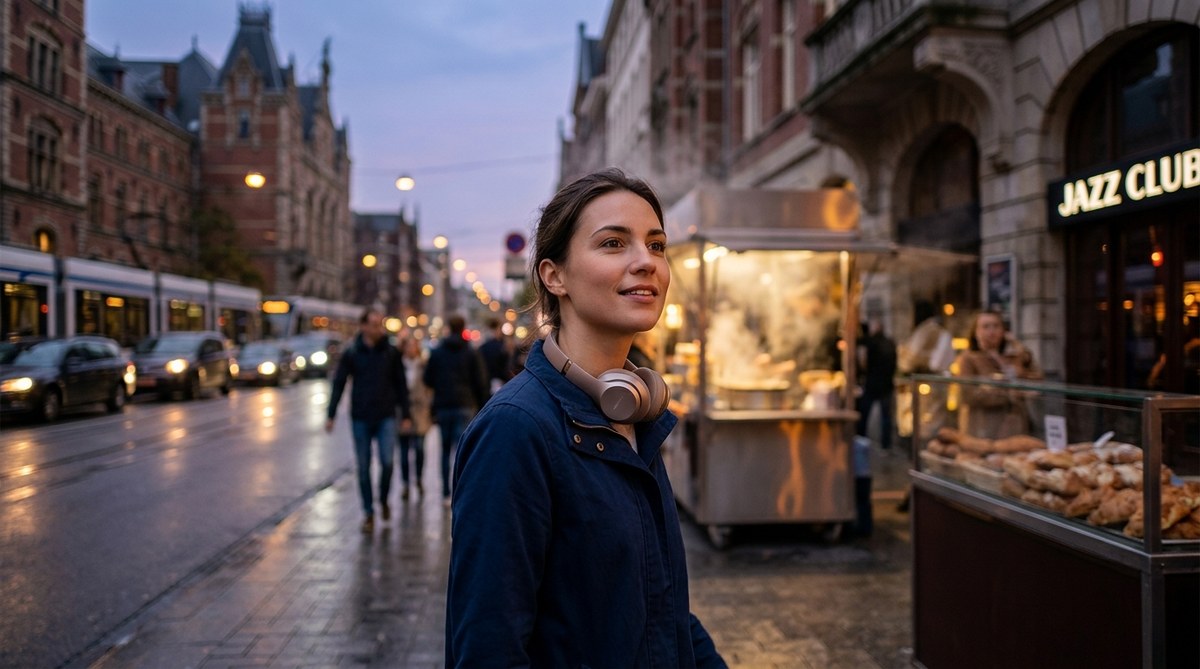
Navigating a bustling city can be overwhelming, especially when relying solely on visual cues. But what if you could tap into your senses of hearing and smell to find your way? In 2026, innovative techniques and environmental awareness are transforming how people explore and move through urban spaces. Whether you’re visually impaired, a researcher, or an urban explorer, learning to use sound and scent cues can make city navigation more intuitive and enjoyable.
Using sound and scent cues for city navigation taps into natural sensory signals, offering a reliable way to orient yourself. Developing these skills involves understanding environmental patterns, practicing awareness, and applying specific techniques to interpret sensory information effectively. This approach enhances independence and confidence when exploring urban environments.
Understanding the Role of Sound and Scent in Urban Navigation
Cities are rich sensory landscapes. Traffic noise, chatter from pedestrians, the hum of public transit, and the scent of food vendors all create a complex environment. These cues can serve as landmarks or directional guides when learned and interpreted correctly.
Sound cues include the rhythm of traffic lights, the sound of water features, or the voices of street performers. Scent cues might be the aroma of fresh coffee, blooming flowers in a park, or the scent of baked goods from a nearby bakery. Recognizing and remembering these cues can help you establish mental maps of urban spaces.
For visually impaired individuals, these sensory signals are invaluable. Researchers are also studying how environmental sounds and smells influence spatial awareness. Urban explorers find scent and sound useful for navigating unfamiliar neighborhoods or during nighttime outings when visual cues are limited.
Practical Techniques for Using Sound and Scent Cues
Developing skills in urban navigation using sound and scent cues involves a step-by-step process. Here are some effective methods:
-
Familiarize Yourself with the Environment
Spend time in a new area, paying close attention to the natural and human-made sounds and scents. Note recurring patterns at different times of the day or week. This helps build a mental map based on sensory cues. -
Identify Key Landmarks by Sensory Signatures
Look for distinctive sounds or smells that mark specific locations. For example, the chime of a church bell, the smell of a nearby food court, or the sound of a fountain. These become reference points during your navigation. -
Practice Active Listening and Scent Awareness
Train yourself to differentiate between background noise and focal sounds. Similarly, become aware of scent changes as you move. This heightened awareness improves your ability to orient yourself naturally. -
Use Environmental Cues to Plan Your Route
Before heading into unfamiliar areas, identify reliable sound and scent sources. For example, if you know a certain bakery emits a distinct smell and is near a busy intersection, use these cues to guide your way. -
Combine Multiple Sensory Inputs
Relying on both sound and scent provides redundancy. If one cue becomes muffled or fades, the other can help you stay oriented. For example, during a rainy day, sounds may be dampened, but scents remain strong. -
Record and Memorize Sensory Landmarks
Create mental or physical notes of key cues. Repetition helps solidify these references, making future navigation more instinctive.
Common Mistakes to Avoid
| Mistake | Explanation | Better Approach |
|---|---|---|
| Relying on a single sensory cue | Sounds or scents can change due to weather or urban activity | Use multiple cues for confirmation |
| Ignoring environmental changes | City sounds and smells fluctuate throughout the day | Update your mental map regularly |
| Not practicing enough | Skills weaken without consistent use | Regularly engage in sensory-focused navigation exercises |
| Assuming cues are universal | Some sounds or scents may be common across different areas | Personalize your landmark list based on specific locations |
Enhancing Your Sensory Navigation Skills
Building confidence takes practice. Here are some tips:
- Start in familiar areas to learn how cues behave during different times.
- Practice in new neighborhoods using only sound and scent cues.
- Use technology such as audio recordings or scent diffusers to simulate environments during training.
- Engage with communities of visually impaired individuals or urban explorers who use these techniques.
- Keep a sensory journal to track cues and routes.
“The key to successful sensory navigation is consistency and mindfulness. By actively engaging your senses and understanding environmental patterns, you develop a natural, reliable way of moving through the city.” — Urban navigation expert Lisa Carter
Developing Your Personal Sensory Map
Creating a mental map based on sound and scent cues transforms how you experience the city. It turns navigation from a task into a sensory adventure.
To start crafting your map:
- Walk through areas systematically, noting distinctive cues.
- Test your memory by trying to find landmarks without visual confirmation.
- Adjust your mental map as you discover new cues or as city environments change.
Over time, this approach fosters independence and a deeper connection to your surroundings.
Final Thoughts on Sensory City Navigation
City streets are more than concrete and steel; they are alive with sounds and smells that tell stories about the environment. Learning to tune into these signals opens new avenues for exploration and confidence. Whether you aim to assist visually impaired friends, conduct research, or simply enjoy urban exploration more fully, developing your ability to navigate with sound and scent cues offers a practical, enriching skill set.
Apply these techniques gradually, stay attentive, and let your senses guide you. With practice, you’ll find yourself moving through the city with greater ease and awareness, turning urban spaces into vibrant, sensory-rich environments.
Unlocking the City’s Hidden Signals
Building your skills in urban navigation using sound and scent cues is both accessible and rewarding. Start small by identifying familiar landmarks through their unique sounds or smells. As you gain confidence, expand to new areas, always paying close attention to environmental changes. Over time, your senses will become powerful tools for independent exploration.
Remember, the city is full of invisible guides waiting to be noticed. With patience and practice, you can transform your urban journeys into sensory adventures that deepen your connection to your surroundings.