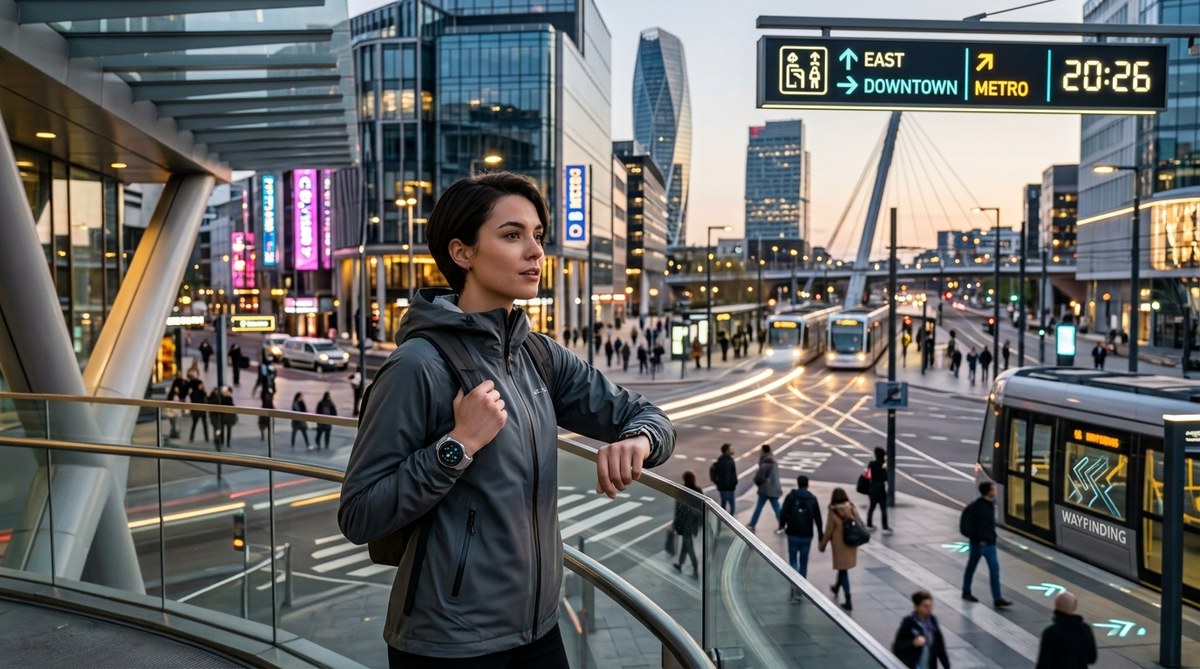
Navigating a city can be challenging, especially with the rapid pace of change in urban landscapes. In 2026, mastering urban wayfinding techniques is more crucial than ever. Whether you’re a city planner, a navigation app developer, or a student of urban design, understanding the innovative strategies shaping city exploration is key to fostering confident, intuitive navigation. As cities grow smarter and more interconnected, new tools and methods are transforming how people orient themselves amid bustling streets, towering skyscrapers, and intricate districts.
In 2026, urban wayfinding techniques focus on integrating digital tools, natural cues, and user-centered design to enhance city legibility. These strategies promote confidence and independence in navigating complex environments, making city exploration more accessible and enjoyable for everyone.
Evolving Landscape of Urban Wayfinding in 2026
City navigation today is a blend of traditional cues and digital innovations. Urban environments are increasingly layered with technology that guides, informs, and reassures users. The core of effective wayfinding in 2026 involves understanding how physical and digital elements work together to create seamless navigation experiences.
Emerging trends include the use of augmented reality overlays, AI-driven personalized guidance, and urban design that emphasizes natural landmarks. These techniques aim to foster independence and reduce confusion, especially in densely populated districts or unfamiliar neighborhoods.
Practical Steps to Improve Urban Wayfinding Confidence
Developing reliable navigation skills in cities involves a structured approach. Here’s a straightforward process to enhance your understanding of urban environments:
- Familiarize yourself with natural landmarks and local cues. Pay attention to distinctive buildings, parks, street art, or unique signage. These become mental anchors that help orient you.
- Utilize digital tools mindfully. Download and experiment with navigation apps that incorporate augmented reality or real-time crowd data. These can supplement your natural cues.
- Practice active observation and mental mapping. As you walk, note your progress, recognize recurring patterns, and mentally chart routes. Reinforcing this mental map boosts confidence over time.
Key Techniques for Confident City Navigation
| Technique | Description | Common Mistakes |
|---|---|---|
| Landmark-based navigation | Using visual cues like statues or distinctive buildings | Relying solely on digital cues, ignoring physical surroundings |
| Natural cues awareness | Recognizing street trees, waterways, or terrain features | Overlooking subtle environmental features that aid orientation |
| Digital augmentation | Using AR overlays or navigation apps with visual cues | Overdependence on screens, neglecting physical surroundings |
| Spatial memory building | Repeating routes to strengthen mental maps | Avoiding unfamiliar areas to prevent disorientation |
Expert Advice on Urban Wayfinding
“The most effective city navigation combines the reliability of physical landmarks with the flexibility of digital tools. Developing awareness of your environment helps you navigate confidently, even when technology fails.” — Urban design specialist Dr. Lisa Monroe
Integrating Digital and Physical Cues Effectively
In 2026, successful urban wayfinding hinges on blending technology with environmental awareness. Navigation apps now incorporate features like augmented reality, which overlays directional arrows onto your view of streets and landmarks. These tools make it easier to stay oriented without constantly glancing at a screen.
However, relying solely on digital cues can lead to disorientation if the technology fails or signals drop. Physical cues like street patterns, signage, and natural landmarks remain vital components of a resilient wayfinding system. Combining these elements ensures users remain confident regardless of technological hiccups.
Common pitfalls to avoid
| Mistake | Impact | How to avoid it |
|---|---|---|
| Overreliance on screens | Reduced situational awareness | Balance digital guidance with environmental observation |
| Ignoring environmental cues | Loss of context | Regularly scan surroundings for landmarks |
| Neglecting mental mapping | Increased confusion | Practice recalling routes mentally after exploration |
How Urban Design Supports Wayfinding in 2026
City planners and designers are increasingly focusing on creating environments that naturally support navigation. They employ strategies such as:
- Clear, consistent signage
- Distinctive district identities
- Visual markers that stand out regardless of city density
- Incorporating natural features like waterways or parks as orientation points
These design choices help users develop mental maps that make city exploration intuitive rather than intimidating.
Mistakes to Watch Out For When Implementing Wayfinding Systems
| Mistake | Consequence | Corrective Strategy |
|---|---|---|
| Cluttered signage | Confusion and overload | Use minimal, clear signs with universal symbols |
| Poorly lit pathways | Reduced visibility at night | Incorporate adequate lighting and reflective surfaces |
| Lack of consistency | Loss of trust in signage | Standardize colors, fonts, and symbols across districts |
Building Resilience in Urban Navigation
Urban environments can be unpredictable. Construction, events, or detours can temporarily disrupt usual routes. Developing resilience involves:
- Learning multiple routes to key destinations
- Recognizing and utilizing natural cues
- Staying adaptable and observant
This approach minimizes frustration and ensures confidence amid change.
Final Tips for Confident City Navigation in 2026
- Pay attention to environmental features that stand out.
- Use digital tools as guides, not crutches.
- Practice regularly to strengthen mental maps.
- Stay curious and observant—cities are rich with cues waiting to be noticed.
Enhancing Urban Navigation Through Design and Technology
As the urban landscape continues to evolve, so do the techniques for confidently navigating it. Combining physical cues with digital innovations creates a resilient system accessible to all. City designers and developers must prioritize clarity, consistency, and natural features in their projects.
When designing wayfinding systems, remember that the goal is not just to guide but to empower users. A well-designed city facilitates independence and discovery. — Urban planning expert Sarah Kim
Final Thoughts: Navigating with Confidence in 2026
Mastering urban wayfinding techniques in 2026 means embracing the synergy of natural cues and digital innovations. By staying aware of your environment, practicing mental mapping, and leveraging technology wisely, you can navigate any city with confidence. Remember, the key is not just reaching your destination but understanding the environment around you. Keep exploring, stay observant, and let your city become a familiar friend rather than a maze.