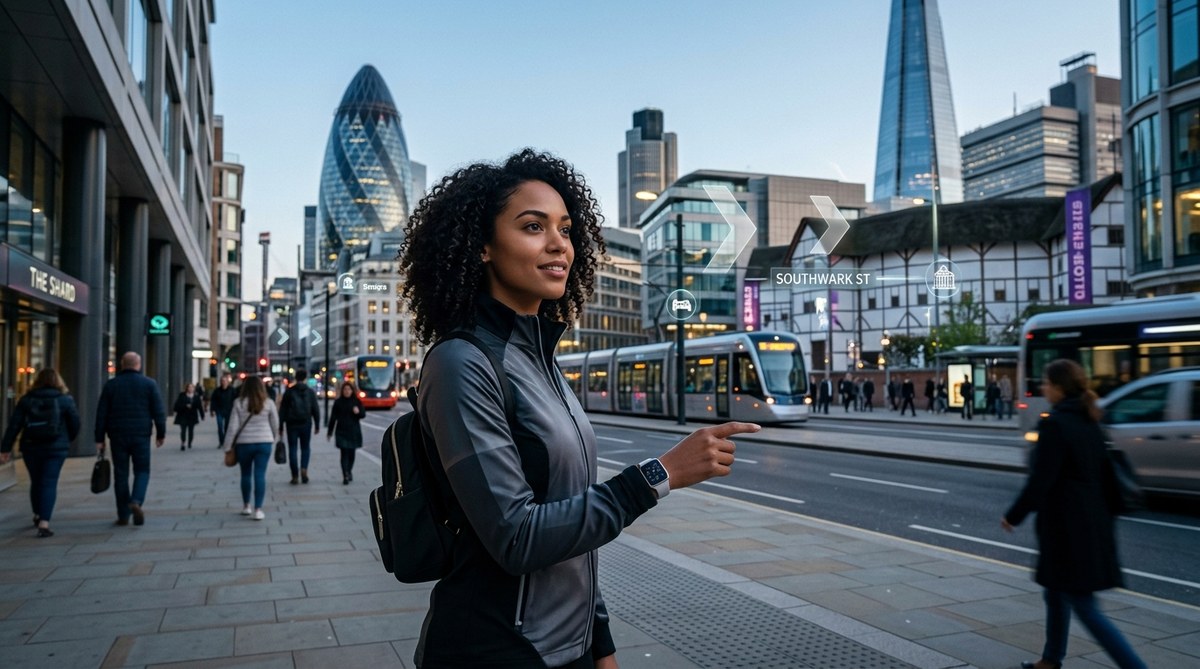
Navigating city streets can feel overwhelming, especially when landmarks change or new tech tools emerge. As urban environments grow more complex, developing sharp city navigation skills becomes essential for travelers and explorers alike. In 2026, mastering these skills can transform how you experience cities. Whether you’re wandering through downtown, visiting a new neighborhood, or navigating public transit, knowing how to find your way confidently makes every urban adventure more enjoyable.
In 2026, enhancing city navigation skills involves understanding natural cues, leveraging technology wisely, and practicing spatial awareness. These techniques empower urban explorers to move confidently without relying solely on digital maps, making city adventures more intuitive and enjoyable.
Building a strong sense of orientation in the city
The foundation of good city navigation starts with developing your sense of orientation. This means understanding how the city is laid out and recognizing natural and man-made landmarks. Paying attention to the flow of streets, the position of the sun, and distinctive buildings can help you find your bearings quickly.
In the digital age, many rely heavily on GPS, but it’s equally important to build skills that let you navigate when technology fails or isn’t available. Developing an intuitive sense of direction makes urban exploration more flexible and less stressful.
Practical steps to improve your city navigation skills in 2026
-
Learn natural landmarks and cues
Identify prominent features like unique buildings, parks, water bodies, or statues. These serve as mental markers to confirm your location or guide your way. For example, spotting a famous sculpture or a distinctive skyline helps orient you in unfamiliar neighborhoods. Using natural cues like the sun’s position and wind direction also aids navigation. -
Understand the city’s layout and street patterns
Many cities follow predictable grid patterns or have historic districts with winding streets. Study the general layout before setting out. Use resources like city maps or local guides to familiarize yourself with major avenues, landmarks, and transit hubs. Recognizing these patterns speeds up your ability to move confidently. -
Practice mental mapping and spatial awareness
Create mental maps of areas you frequent. Visualize how streets connect, where landmarks are located, and how neighborhoods relate. Regularly practicing this skill helps you build an internal sense of where you are and where you want to go. For instance, remembering that a park is always east of a certain building can help you orient yourself without digital aids. -
Combine technology with natural navigation
While relying on smartphone apps is common, use them as tools rather than crutches. Cross-reference GPS directions with your natural cues. This practice reinforces your internal sense of direction and prevents overdependence on devices. -
Practice in familiar environments
Start practicing your navigation skills in neighborhoods you know well. Test your ability to find landmarks, take different routes, and estimate distances. As your confidence grows, try navigating new parts of the city without assistance.
Common mistakes to avoid in city navigation
| Mistake | Explanation | How to avoid it |
|---|---|---|
| Relying solely on digital maps | Technology can fail or lead you astray if not used carefully. | Use maps as references, not the only method. Develop natural cues. |
| Ignoring local cues | Overlooking natural landmarks or street signs can cause disorientation. | Pay attention to unique features and street patterns. |
| Not practicing spatial awareness | Static knowledge of maps isn’t enough; you need to actively visualize surroundings. | Regularly create mental maps and practice route planning. |
| Failing to plan ahead | Wandering without a sense of direction wastes time and leads to frustration. | Study the area beforehand and identify key landmarks. |
Techniques for effective urban navigation in 2026
| Technique | Description | Common mistake |
|---|---|---|
| Landmark-based navigation | Using distinctive landmarks to orient yourself and find routes. | Relying only on GPS while ignoring natural cues. |
| Sun and shadow positioning | Recognizing the sun’s position to maintain directional awareness. | Forgetting that sun position varies with seasons and time of day. |
| Street pattern recognition | Understanding city grid or winding street patterns to estimate location. | Assuming all neighborhoods follow the same layout. |
| Spatial visualization | Creating mental images of routes and landmarks. | Not updating mental maps as you move through different areas. |
“The best urban explorers know how to read their environment. They combine natural cues with a general understanding of city layout, making navigation seamless even without digital tools,” advises urban navigation expert Lisa Monroe.
Enhancing your city navigation skills through practice
Practicing regularly is key to building lasting navigation skills. Take time to walk through different neighborhoods, observe street signs, and note landmarks. Try alternative routes to familiar destinations. This approach enhances your ability to adapt and find your way confidently.
Another helpful tip is to familiarize yourself with public transit maps and schedules. Even if you prefer walking, understanding transit routes can offer useful clues about city geography and help you plan better routes.
When technology isn’t enough
Despite the convenience of GPS and navigation apps, technology can sometimes lead you astray. Signal loss, app glitches, or outdated maps happen. Developing strong natural navigation skills ensures you can safely and efficiently reach your destination regardless of tech issues.
For more on this topic, you might find it useful to review Building a balanced skill set means you’re never lost, whether technology works perfectly or not.
Making navigation intuitive and enjoyable
Urban exploration is more fun when you trust your instincts and skills. Use landmarks, natural cues, and understanding of city layout to navigate with confidence. Take time to observe your surroundings and practice mental mapping. Over time, city navigation will feel natural rather than daunting.
Remember, every city has its unique rhythm. Paying attention to local cues and practicing regularly will transform how you experience urban environments.
The art of natural wayfinding in American cities
American cities offer a rich tapestry of landmarks and street patterns. From the grid system of Manhattan to the winding streets of San Francisco’s neighborhoods, understanding local cues makes a difference. Learn to recognize iconic features like historic buildings, water towers, or unique street art that serve as reference points.
For those interested in improving their skills further, https://streetlearn.cc/learn-how-to-navigate-american-cities-using-natural-landmarks-and-local-cues/ provides additional insights into natural wayfinding techniques tailored for US cities.
Keep moving forward with confidence
Building city navigation skills is a gradual process, but every step improves your confidence. Practice regularly, stay attentive to your environment, and combine natural cues with technology wisely. The more you practice, the more instinctive your navigation becomes.
Urban exploration becomes more rewarding when you rely on your internal sense of direction and understanding of the city’s layout. Whether you’re wandering for fun or commuting daily, these skills make every journey smoother.
Navigating the city’s maze with confidence
Mastering city navigation in 2026 means blending traditional observation with modern techniques. Recognize landmarks, understand street layouts, and trust your instincts. Over time, these skills will become second nature, turning city wandering into an enjoyable adventure rather than a source of stress.
Take a moment to reflect on your current skills, identify areas for improvement, and incorporate these techniques into your routine. Your city adventures will become more intuitive and rewarding with practice.
Happy navigating! With a mix of awareness, practice, and a dash of curiosity, you can confidently explore any city in 2026. Keep observing, stay curious about your surroundings, and enjoy every step of your urban journey.